Understanding the Difference Between On-Grid and Off-Grid Solar PV Systems: Which One Is Right for You?
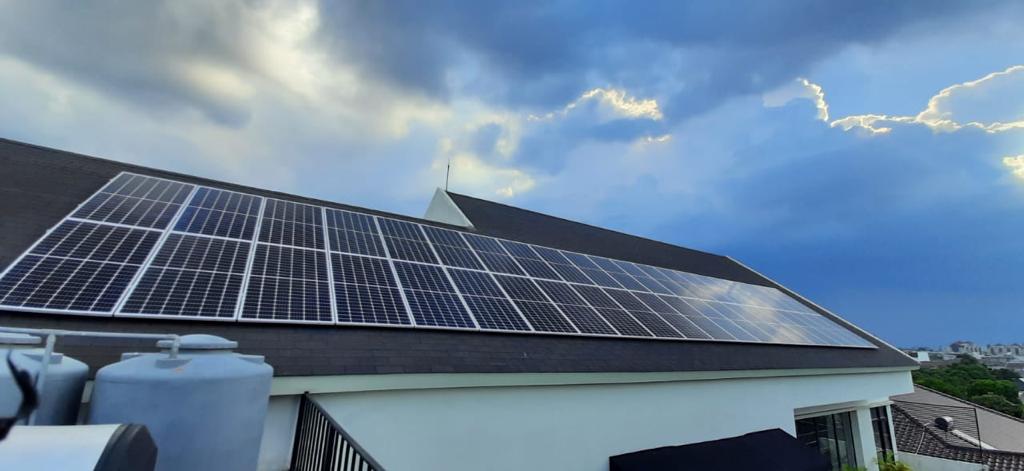
The use of solar energy is growing in Indonesia, across residential, commercial, and industrial sectors. Many users are considering solar PV systems as a solution to reduce their reliance on the main electricity grid while utilizing a cleaner energy source. One of the key benefits of a solar PV system is its ability to reduce electricity consumption from the grid, potentially improving overall electricity cost efficiency.
However, before installing solar panels, prospective users need to understand the type of system that best suits their needs. Two common options are on-grid and off-grid solar PV systems. Both generate electricity from solar energy, but they differ in how they operate, their components, and their intended applications. Understanding the difference between on-grid and off-grid solar PV systems is therefore an important step in choosing a system that matches your energy needs and site conditions.
What Is an On-Grid Solar PV System?
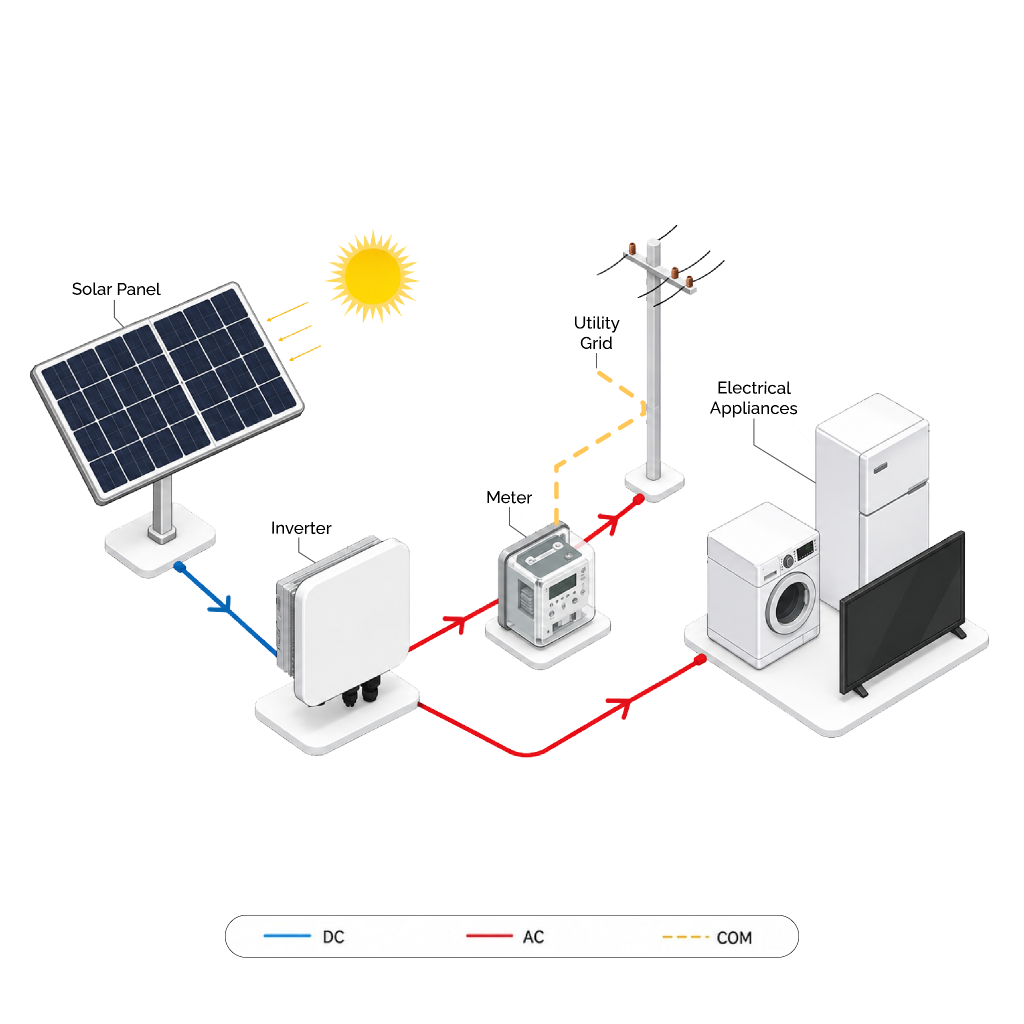
An on-grid solar PV system is a solar power system connected to the PLN electricity grid. Electricity generated by the solar panels can be used directly to meet electricity demand during the day, while the PLN grid continues to supply electricity when solar production is insufficient.
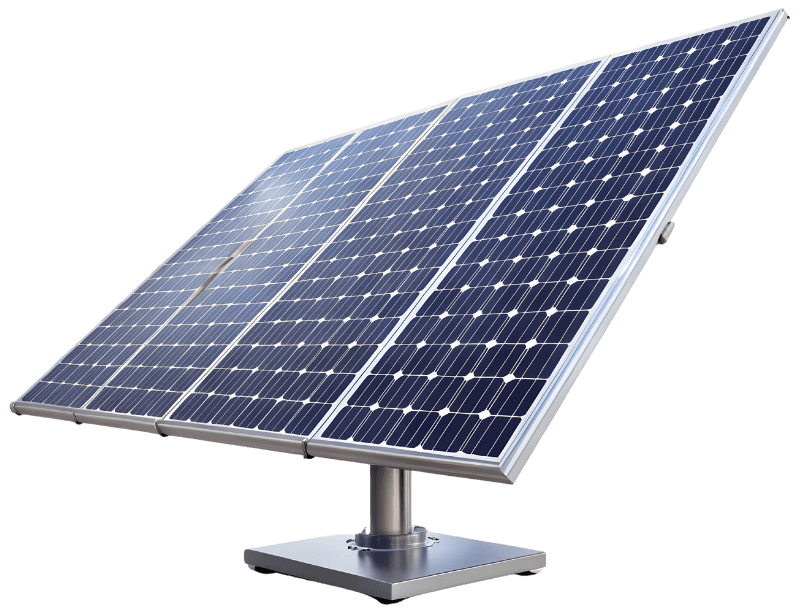
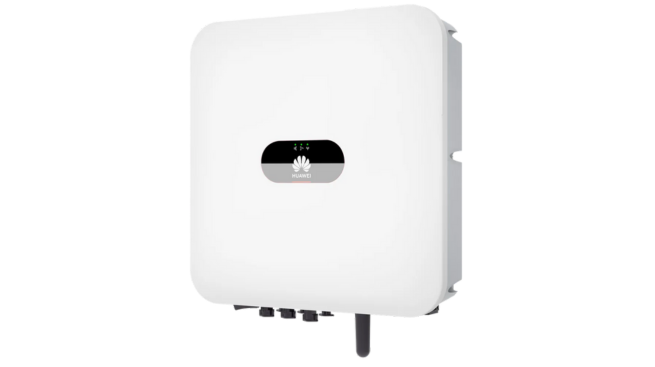
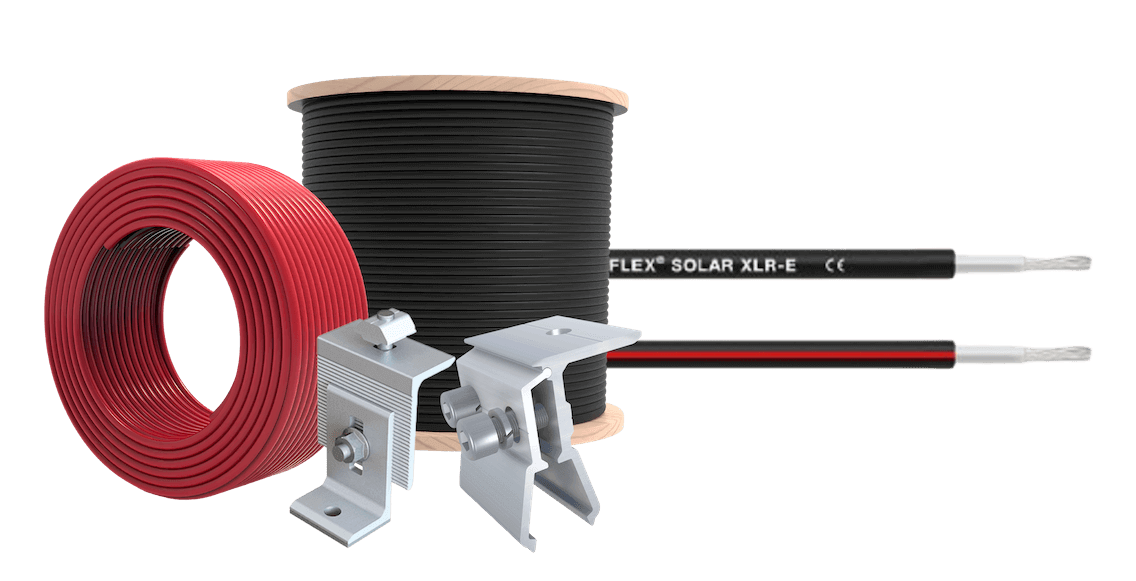
The main components of an on-grid solar PV system generally include solar panels, an on-grid inverter, protection systems, and an electricity meter that complies with applicable interconnection requirements. One of the main advantages of this system is its relatively lower initial investment, as it does not require a battery bank.
For safety, on-grid solar PV systems generally feature anti-islanding protection. This means that when the PLN grid experiences a power outage, the inverter will stop supplying electricity so that the system does not continue feeding power into a grid that is down.
It is also important to note that the mechanism for exporting and importing electricity, or net metering, for rooftop solar PV systems has changed. Under Minister of Energy and Mineral Resources Regulation No. 2 of 2024, excess electricity exported to the grid is no longer calculated as a reduction in the customer’s electricity bill.
What Is an Off-Grid Solar PV System?
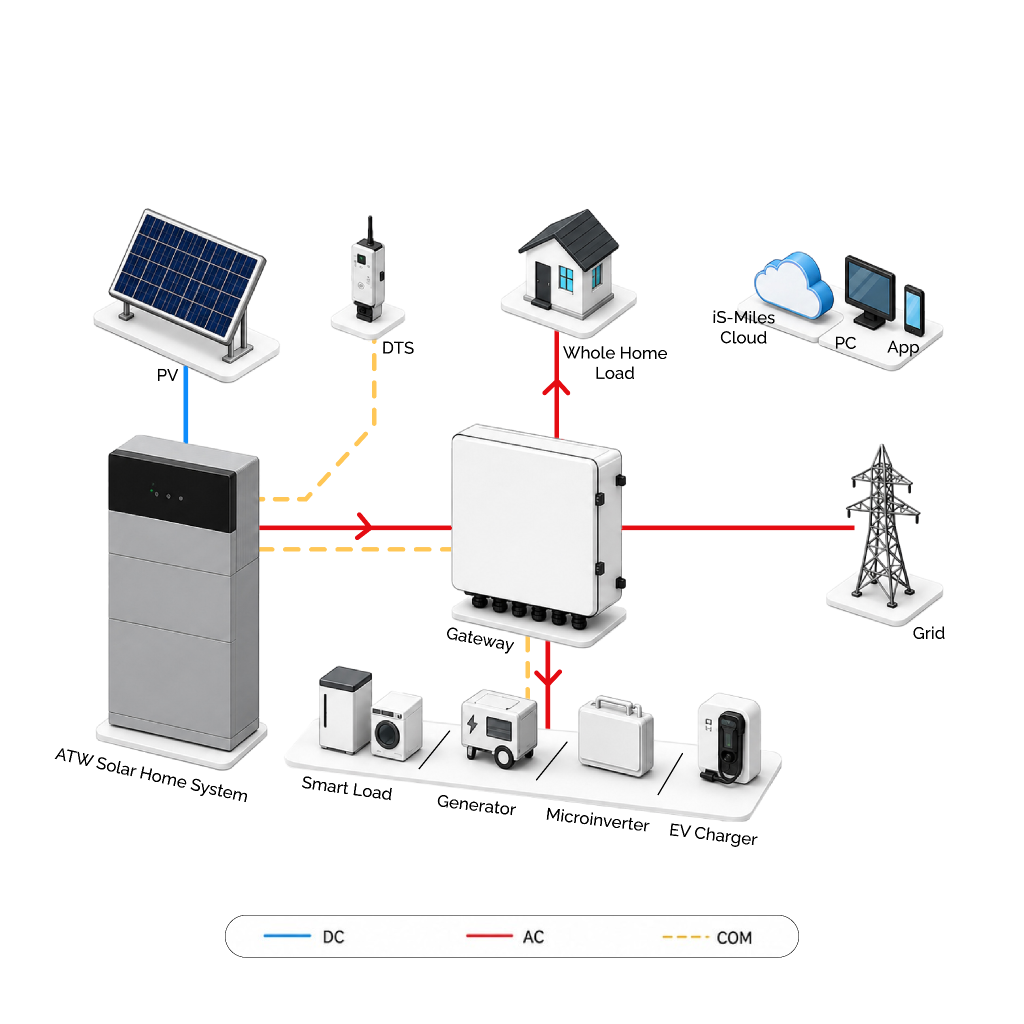
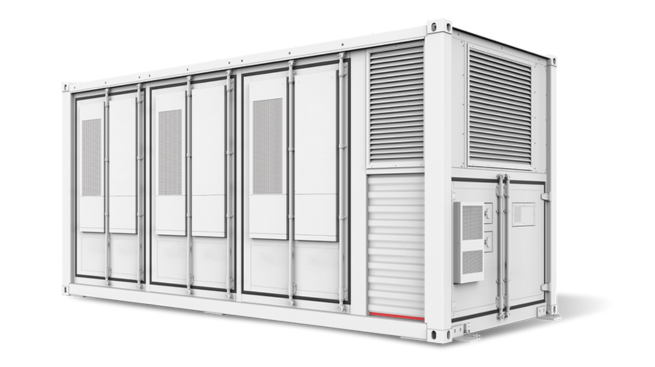
Unlike an on-grid solar PV system, an off-grid solar PV system operates independently without being connected to the PLN electricity grid. Electricity generated by the solar panels can be used to supply electrical loads while also being stored in batteries for use at night or when solar production is low.
The main components of an off-grid solar PV system include solar panels, a solar charge controller (SCC), an off-grid inverter, and a battery bank. Because it requires energy storage, an off-grid solar PV system generally has a higher initial investment cost than an on-grid system.
Nevertheless, off-grid solar PV systems offer a higher level of energy independence. They are particularly suitable for locations that are not connected to the PLN grid or experience limited electricity access. The use of solar PV systems to support electrification in remote areas is also being promoted by the Indonesian government.
Comparison of On-Grid and Off-Grid Solar PV Systems
| Comparison Parameter | On-Grid Solar PV System | Off-Grid Solar PV System |
| PLN grid connection | Connected to the PLN grid | Operates independently from the PLN grid |
| Battery usage | Does not use batteries | Uses batteries |
| Saat listrik PLN padam | The system also stops operating for safety reasons | Can continue supplying loads depending on available battery capacity |
| During a PLN power outage | The system also stops operating for safety reasons | Can continue supplying loads depending on available battery capacity |
| Initial investment cost | More economical | Higher due to the need for batteries |
| Main focus | Optimizing the use of solar energy | Providing energy independence for specific locations |
In simple terms, the main difference between on-grid and off-grid solar PV systems lies in their connection to the PLN grid and their use of batteries. Therefore, these differences should be considered from the early stages of system planning.
Which System Is Right for You?
Choose an on-grid solar PV system if your property already has a reliable PLN connection and your primary goal is to maximize the use of solar energy during the day. This system is suitable for residential, commercial, and industrial users looking to adopt solar energy with a more economical initial investment.
Meanwhile, an off-grid solar PV system is more suitable for locations that are not connected to the PLN grid or require an independent electricity supply. With batteries, electricity generated by the solar panels can be stored and used when needed, including when there is no sunlight.
Ultimately, the best choice depends on the site’s conditions, electricity consumption patterns, energy requirements, and investment budget. Both on-grid and off-grid solar PV systems have their own advantages, so there is no single system that is suitable for every application.
Conclusion
Understanding the difference between on-grid and off-grid solar PV systems can help you determine which system best suits your needs. On-grid solar PV systems are generally more suitable for properties connected to the PLN grid, while off-grid solar PV systems provide an independent power solution for locations with limited access to electricity.
Before making a decision, make sure your energy requirements and system design are properly assessed. Consult Solar Depot to get recommendations for solar PV components and energy solutions tailored to your project’s needs.