Latest Solar Panel Inverter Price Guide: Types, Cost Factors, and Tips for Choosing the Right One
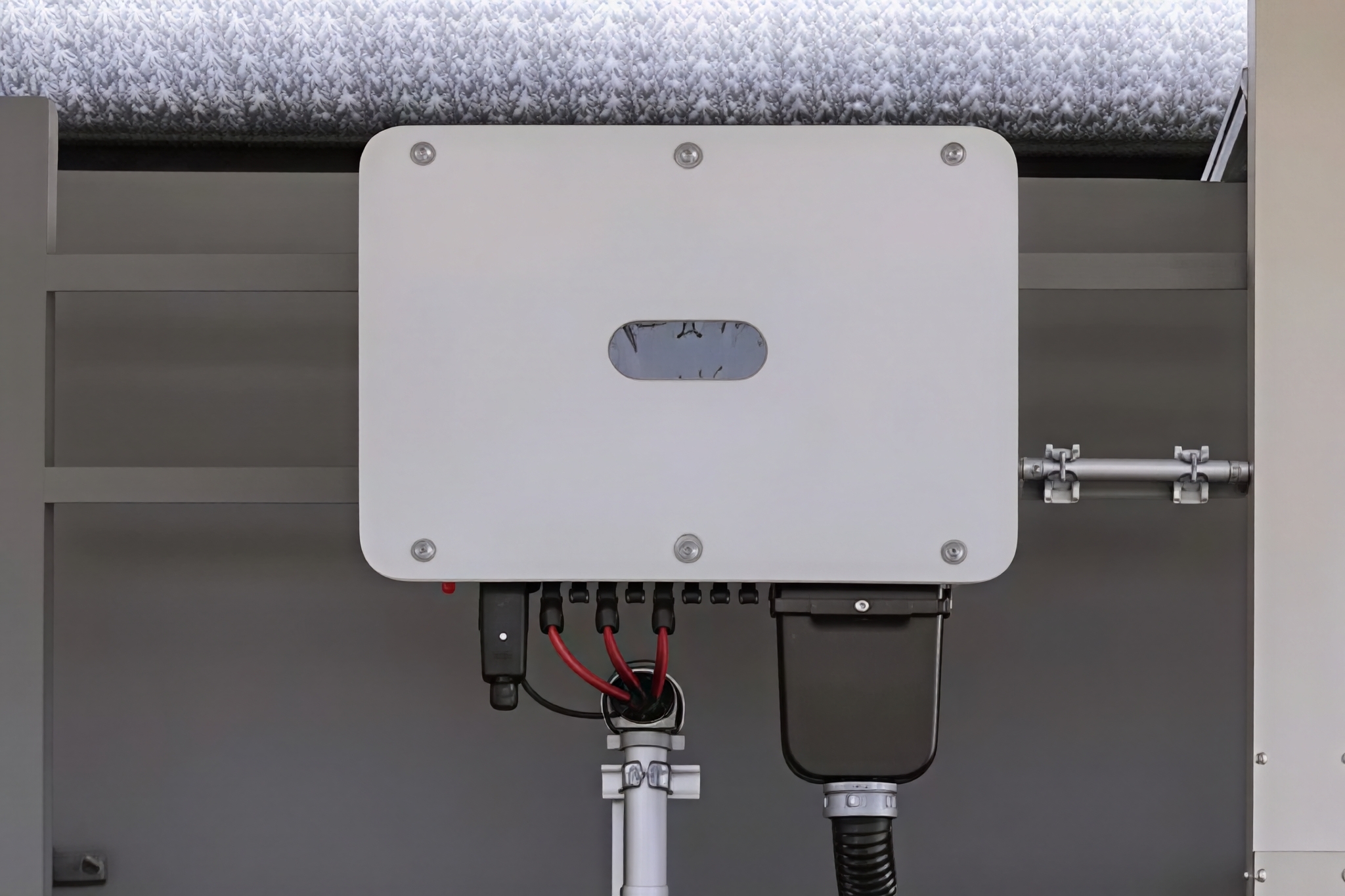
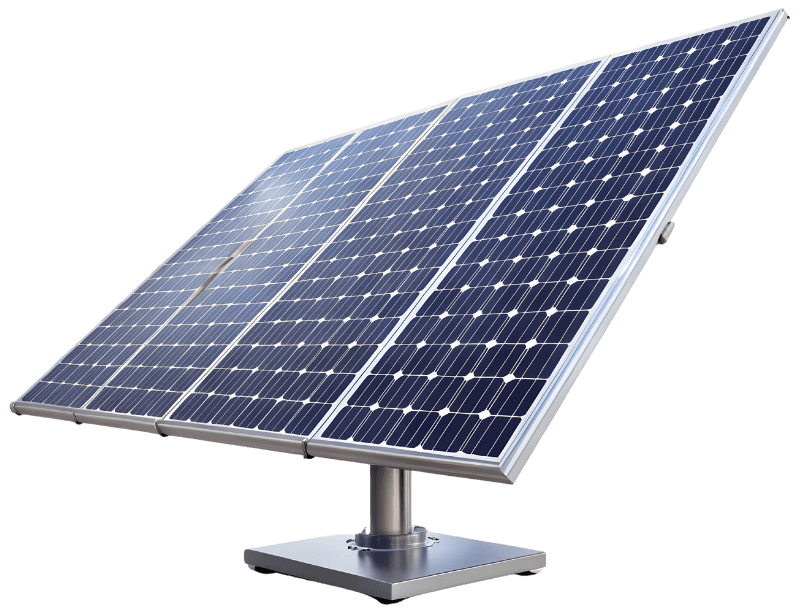
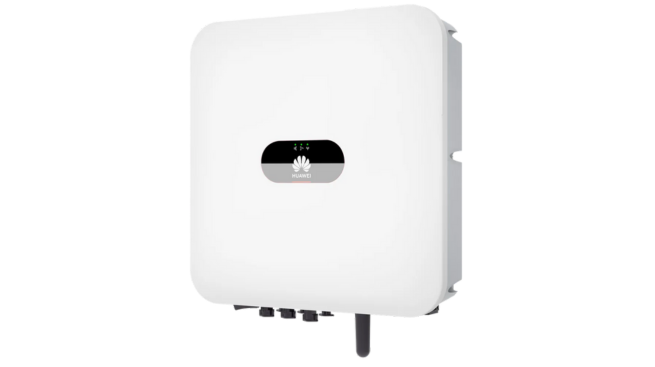
In a solar photovoltaic (PV) system, the inverter plays a crucial role. While solar panels generate electricity from sunlight, an inverter converts electrical current from DC (Direct Current) produced by the panels into AC (Alternating Current) that can be used by various electrical appliances.
Because of its important function, inverter prices are one of the key considerations when planning a solar PV installation. However, solar panel inverter prices on the market can vary significantly depending on the type, capacity, features, and brand.
So, what is the actual solar panel inverter price, and how can you choose one that suits your needs?
Factors Affecting Solar Panel Inverter Prices
Several key factors determine inverter prices, including:
1. Solar PV System Type
On-grid, off-grid, and hybrid inverters have different functions and configurations. On-grid inverters are designed to work with the PLN electricity grid, while off-grid inverters are used in standalone systems that generally require batteries. Meanwhile, hybrid inverters offer greater flexibility by managing energy from solar panels, the electricity grid, and batteries.
2. Power Capacity
The higher the power capacity an inverter can handle, the higher its price tends to be. A 1–5 kW inverter will naturally have a different price from an inverter designed for commercial or industrial systems with capacities of tens of kilowatts.
3. Output Waveform Type
Inverters with Pure Sine Wave technology produce an electrical waveform that more closely resembles electricity supplied by the PLN grid and are suitable for a wide range of electrical equipment. Meanwhile, Modified Sine Wave inverters are generally offered at a lower price but have more limited applications.
4. Features and Connectivity
Features such as MPPT, Wi-Fi monitoring, protection systems, data communication, and battery integration capabilities can increase solar panel inverter prices. These features can also provide additional value in terms of efficiency, safety, and ease of monitoring.
5. Brand and Warranty
Brands with a strong global reputation and reliable after-sales support generally have higher inverter prices. However, this can be proportional to the product quality and warranty period. Solar Depot, for example, provides inverters from global manufacturers with product warranties of up to 10–12 years for certain products.
Estimated Solar Panel Inverter Price Range
In general, solar panel inverter prices can range from several million rupiah for small-capacity units to tens or even hundreds of millions of rupiah for large-capacity systems. As a general market reference, 1–3 kW on-grid inverters may be priced at several million rupiah, while hybrid inverters and higher-capacity models can cost tens of millions of rupiah.
For off-grid inverters, costs also depend on their capacity and battery management capabilities. Meanwhile, hybrid inverters tend to have higher prices because they offer more sophisticated energy management functions.
Therefore, do not compare products based solely on their purchase price. Also consider warranty, efficiency, protection features, battery compatibility, and technical support when evaluating the long-term value of your investment.
How to Choose an Inverter Based on Your Needs and Budget
Choosing an inverter should not be based solely on the lowest inverter price. Make sure the inverter specifications match your solar PV system requirements so that the system can operate optimally and provide good long-term value.
1. Calculate Your Total Electrical Load
Calculate the total power requirements of the appliances you plan to use, particularly high-power appliances such as air conditioners, water pumps, and refrigerators. Choose an inverter with sufficient capacity to handle peak power demand and minimize the risk of overload.
2. Match It to Your Solar PV System Type
Determine whether your system will be on-grid, off-grid, or hybrid. On-grid inverters are suitable for systems connected to the PLN grid, while off-grid inverters are used in standalone systems with batteries. For systems that require flexibility between PLN, solar panels, and batteries, a hybrid inverter can be a suitable option.
3. Consider Inverter Efficiency
Choose an inverter with high conversion efficiency to minimize energy losses when DC electricity from the solar panels is converted into AC electricity. As a general reference, high-quality inverters typically have efficiencies above 95%.
4. Match Your Budget and Requirements
Do not simply choose the inverter with the lowest price. Consider its capacity, features, efficiency, compatibility with other solar PV components, and warranty. This ensures that the cost of the inverter is proportional to the system’s performance and long-term requirements.
Tips for Buying a High-Quality Solar Panel Inverter
Before purchasing an inverter, do not focus solely on the solar panel inverter price. Make sure the product you choose has suitable specifications, is safe to use, and is supported by reliable after-sales service.
1. Prioritize Pure Sine Wave Inverters
Pure Sine Wave inverters produce a more stable electrical waveform that closely resembles electricity supplied by the PLN grid. This type is suitable for a wide range of electrical appliances, including air conditioners, refrigerators, water pumps, and other sensitive electronic devices.
2. Buy from an Authorized Distributor
Choose an authorized distributor or seller to ensure that the product is genuine and comes with a clear warranty. Authorized distributors can also provide technical support and make the warranty claim process easier if problems occur with the product.
3. Check the Specifications and Datasheet
Do not look only at the wattage listed on the product. Also check the efficiency, MPPT voltage range, number of MPPTs, maximum input voltage, battery capacity for hybrid or off-grid inverters, and protection features. Make sure all specifications are suitable for your solar PV system requirements.
4. Be Cautious of Prices That Are Too Low
A solar panel inverter price that is significantly lower than the market price should be investigated further. Products claiming to offer high capacity but being sold at an unrealistic price may have specifications that do not match their advertised claims. Compare both the prices and specifications of several products before making a purchase.
5. Consider the Warranty and After-Sales Service
Warranty coverage is an important factor when choosing an inverter because this component is a vital part of a solar PV system. Choose a product with a clear warranty period and reliable after-sales support that can assist you if problems occur during use.
Conclusion
Ultimately, solar panel inverter prices are not determined solely by power capacity. The system type, technology, features, efficiency, brand, and warranty all influence the price and overall value of a solar PV investment.
If you are looking for inverter prices for high-quality products with reliable after-sales support, Solar Depot offers a variety of inverters for residential and commercial applications. The available products include inverters from global manufacturers such as Huawei, with various capacity and configuration options.
Find high-quality solar panel inverters at competitive prices with official warranties only at Solar Depot.