How to Calculate Solar PV System Capacity: A Guide to Estimating Rooftop Solar PV Output

The use of rooftop solar PV systems is becoming increasingly attractive for households and businesses looking to harness solar energy. However, before installing solar panels, it is important to understand electricity demand and the solar energy potential at the installation site. By understanding how to calculate solar PV system capacity, the system size can be adjusted to electricity consumption, available roof area, and environmental conditions.
What Is Solar PV System Output?
Before understanding how to calculate solar PV system capacity, it is important to distinguish between power and energy. Solar PV system output is generally expressed in kilowatt-peak (kWp), which refers to the maximum capacity of the panels under specified test conditions. Meanwhile, the electrical energy produced is expressed in kilowatt-hours (kWh).
This means that a 1 kWp solar PV system does not continuously produce 1 kW of electricity throughout the day. Its output varies depending on solar irradiance. Indonesia itself has relatively high solar radiation potential, with an average of around 4.8 kWh/m² per day.
How to Calculate Solar PV System Capacity
In simple terms, how to calculate solar PV system capacity can be done through the following steps:
- Determine Daily Electricity Consumption
Check your electricity consumption from your monthly PLN electricity bill, then divide it by the number of days in the month to obtain the average daily consumption in kWh. - Calculate the Solar Potential at the Location
Use the estimated Peak Sun Hours (PSH) for the installation area. The average effective sunlight duration used for calculation is 4 hours per day. - Determine the Solar PV Capacity
A simple formula that can be used is:
Solar PV Capacity = Daily Energy Requirement ÷ Peak Sun Hours - Consider System Efficiency
In practice, energy losses occur in the panels, inverter, cables, temperature, and other components. Therefore, the basic calculation should be adjusted before determining the final system capacity.
How to Calculate Rooftop Solar PV Capacity
To determine the appropriate rooftop solar PV capacity, several factors need to be considered to ensure that the panel capacity is neither too small nor excessive. Here are the steps for how to calculate rooftop solar PV capacity:
- Check Electricity Consumption from Your PLN Bill
Use monthly electricity consumption data to determine the average daily energy requirement. - Determine the Available Roof Area
Make sure the available roof area is sufficient to install the required number of panels. - Adjust the Number and Capacity of Panels
Determine the number of panels based on the required solar PV capacity and the capacity of each panel. - Consider Panel Orientation, Tilt, and Shading Potential
Consider the direction, tilt angle, and potential shading to ensure that the panels receive optimal sunlight exposure. - Use a Basic Calculation
As an initial estimate, solar PV capacity can be calculated based on daily energy requirements, Peak Sun Hours (PSH), and the system’s performance ratio.
Factors Affecting Solar PV System Output
Several factors can affect solar PV system output, including:
- Solar irradiance: The higher the solar exposure, the greater the potential energy production.
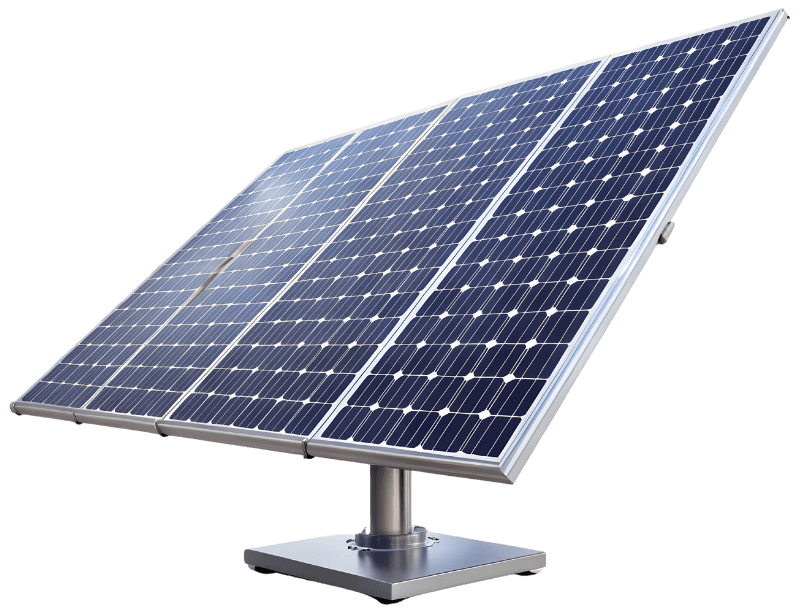
- Panel type and area: Panels with higher capacity and efficiency can produce more energy within the same area.
- Temperature: Panel temperature can affect their performance.
- Panel orientation and tilt: Proper installation helps panels receive optimal sunlight exposure.
- Shading: Shadows from trees, buildings, or other objects can reduce energy production.
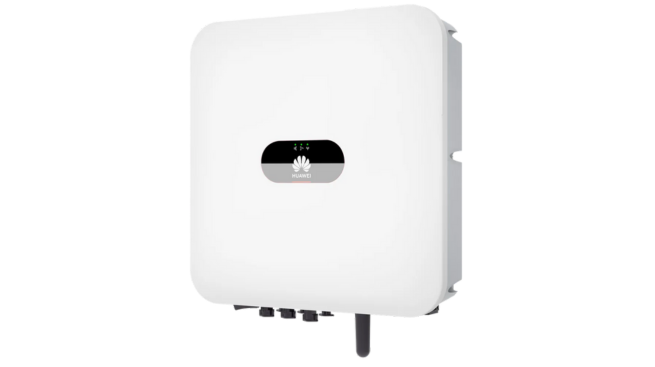
- Inverter and component efficiency: Energy generated by the panels will experience losses before being used by the electrical loads.
Therefore, solar PV system output can differ from the nominal panel capacity. Weather and site conditions cause electricity production to vary from day to day.
How to Optimize Solar PV System Output
- Position the Panels Properly
Make sure the panels are installed with the appropriate orientation and tilt to receive optimal sunlight exposure. - Avoid Shading
Minimize shading from trees, buildings, or other objects that could reduce panel electricity production. - Choose the Right Panels and Inverter
Match the capacity and specifications of the panels and inverter to the requirements and conditions of the solar PV system. - Monitor and Maintain the System
Monitor electricity production regularly and perform cleaning and component inspections to maintain system performance.
Solar PV Planning Consultation
Determining the ideal system capacity does not depend solely on the solar PV capacity calculation formula. Electricity consumption profiles, roof area, site conditions, shading, and system configuration all need to be analyzed comprehensively.
To get a suitable capacity recommendation, you can consult with Solar Depot for solar PV system planning.
Understanding how to calculate solar PV system capacity helps determine a system size that matches electricity needs. Meanwhile, how to calculate rooftop solar PV capacity requires consideration of both electricity consumption and roof and environmental conditions. Ultimately, solar PV system output is affected by solar irradiance, panels, shading, temperature, orientation, and overall system efficiency.
FAQ
1. What is the difference between solar PV capacity and the energy produced by a solar PV system?
Power indicates the maximum capacity of the system in kWp, while energy indicates the amount of electricity actually produced in kWh.
2. How many solar panels are needed for a home?
The number depends on energy requirements, the capacity of each panel, solar potential, and roof conditions.
3. Does roof area determine solar PV system capacity?
Yes. The available roof area and its condition determine how many panels can be installed.
4. Why can solar PV output vary from day to day?
Because solar irradiance is affected by weather, clouds, temperature, shading, and other environmental conditions.
5. How can I monitor electricity production after installing a solar PV system?
Electricity production can be monitored through the inverter or a monitoring system that records the energy generated.