The Function of Solar Panel Inverters in a PV System
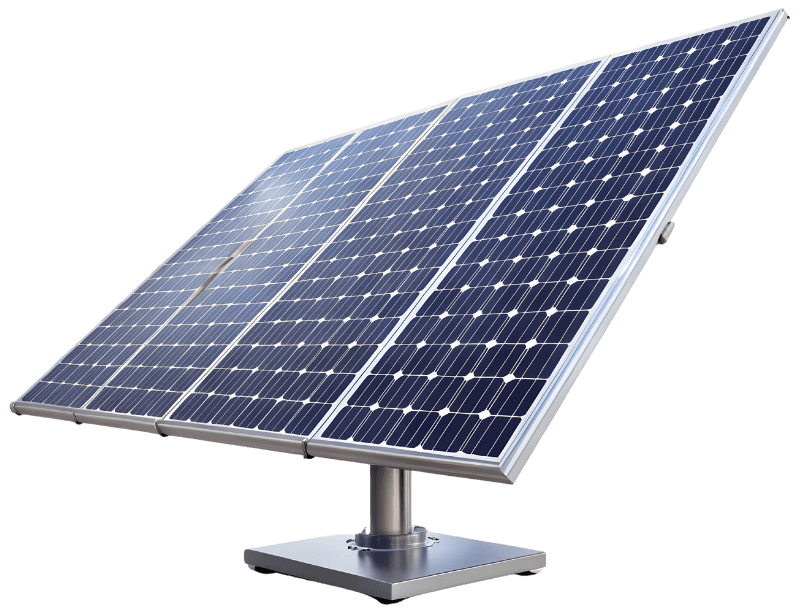
Solar panels harness sunlight through photovoltaic technology to generate electricity for a wide range of energy needs. However, the electricity produced by solar panels cannot be used directly by most electrical equipment in homes, buildings, or businesses.
This is where the inverter comes in as one of the key components in a solar power system. Without an inverter, the electrical energy generated by solar panels cannot be used optimally. That’s why the function of a solar panel inverter is something you need to understand before installing a solar power system.
What Exactly Is a Solar Panel Inverter?
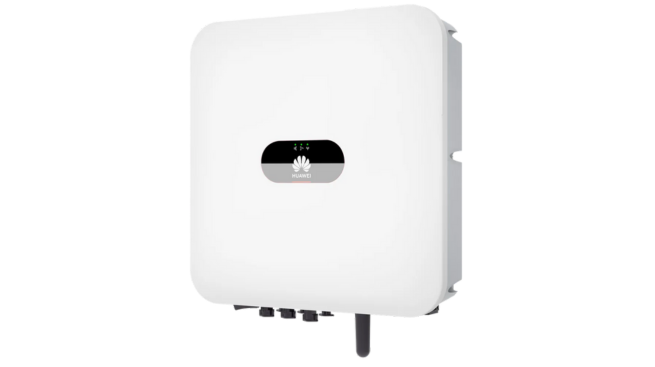
Simply put, the function of a solar panel inverter is to convert the DC (Direct Current) electricity produced by solar panels into AC (Alternating Current). This is the type of current used by most electronic equipment in homes, offices, and commercial buildings.
HM Energi explains that the inverter is one of the main components in a solar power system, since without the DC-to-AC conversion process, the energy produced by solar panels cannot be used directly for everyday electricity needs.
More Than Just a Current Converter
The function of a solar panel inverter is not limited to converting direct current (DC) into alternating current (AC). While this conversion process is its main function, the inverter also plays an important role in improving efficiency, maintaining stability, and supporting the overall performance of a solar panel system.
Inverter also helps adjust the voltage and frequency of the electricity to match the standards of the electrical systems used in homes, buildings, and business facilities. As a result, the energy produced by solar panels can be used safely and according to actual needs.
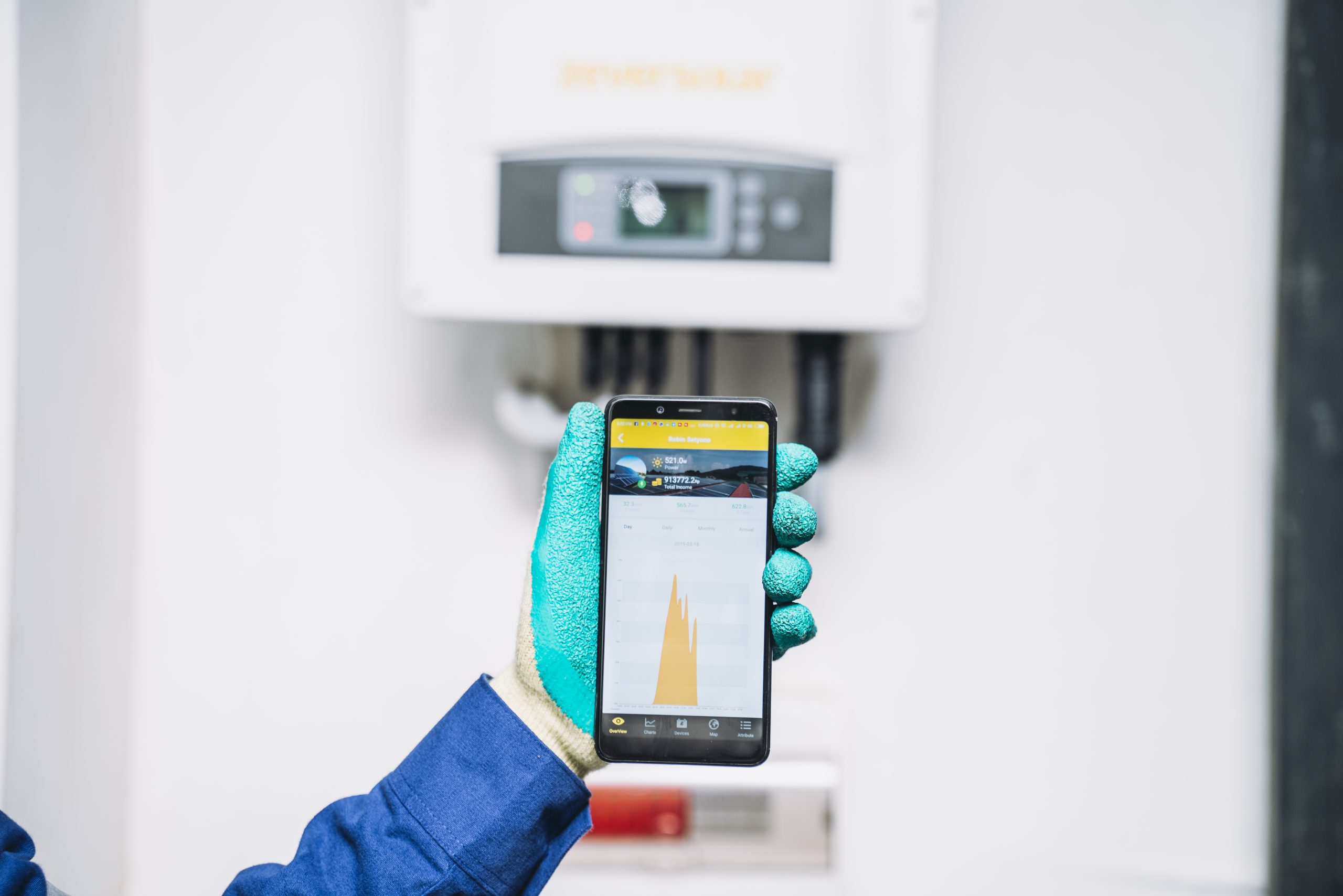
Modern inverters commonly come with an additional monitoring feature. Through an app, users can track information such as the amount of energy produced, system performance, and fault indicators, making monitoring and maintenance much easier.
These various functions make the inverter one of the key components in a solar power installation, supporting the effective and reliable use of solar energy.
The Function of Inverters in a Solar Power System
Overall, the function of the inverter in a solar power system is to connect the electricity generated by solar panels to the electrical system so that this energy can be used optimally.
Under Regulation of the Minister of Energy and Mineral Resources (ESDM) No. 26 of 2021 on Rooftop Solar Power Systems, a rooftop PV system consists of several main components, including solar modules, an inverter, electrical connections, and a safety system. The inverter’s status as one of these main components reflects its role in supporting the operation of the solar power system.
In an on-grid, configuration, the inverter works to align the voltage, frequency, and phase of electricity generated by solar panels to match PLN grid parameters. Meanwhile, in off-grid or hybrid systems, the inverter works together with other supporting components to manage the flow of energy between the solar panels, battery, and electrical load. This management allows energy stored in the battery to be used when the solar panels are not producing electricity, such as at night.
How a Solar Panel Inverter Works
Simply put, the way an inverter works in a solar power system can be explained through the following steps:
- The solar panels absorb sunlight and generate DC (direct current) electricity.
- The DC electricity flows to the inverter.
- The inverter converts the DC current into AC (alternating current) electricity while also adjusting the voltage and frequency.
- The AC electricity is then distributed to the home, building, or electrical system as needed.
This entire process happens automatically as long as the solar panel system is generating electricity, so users don’t need to make any manual adjustments. What matters most is choosing an inverter that matches the capacity, characteristics, and requirements of the solar power system so it can operate at its best.
Why Does Choosing the Right Inverter Matter?
Choosing an inverter for solar panels should take into account the system’s capacity, the type of installation, and the user’s electricity needs. The inverter used must have specifications that match the power output of the solar panels so the system can operate at its best.
There are several types of inverters, such as string inverters, central inverters, and microinverters, each designed for different installation needs. Choosing the right type of inverter helps maintain the stability, efficiency, and overall reliability of a solar power system’s performance.
By understanding the function of a solar panel inverter and matching it to the characteristics of the system, users can ensure that solar energy is used to its fullest potential. The inverter’s main function isn’t limited to converting DC power from solar panels into AC electricity. Beyond that, the efficiency and operational reliability of a solar power system depend heavily on the quality and performance of this vital component.
For those who need an inverter for solar panels at a residential, commercial building, or business scale, Solar Depot offers a wide range of inverters with capacities and specifications that can be tailored to the needs of your solar power system.