The Components of a Solar Panel Module and Their Functions You Should Know
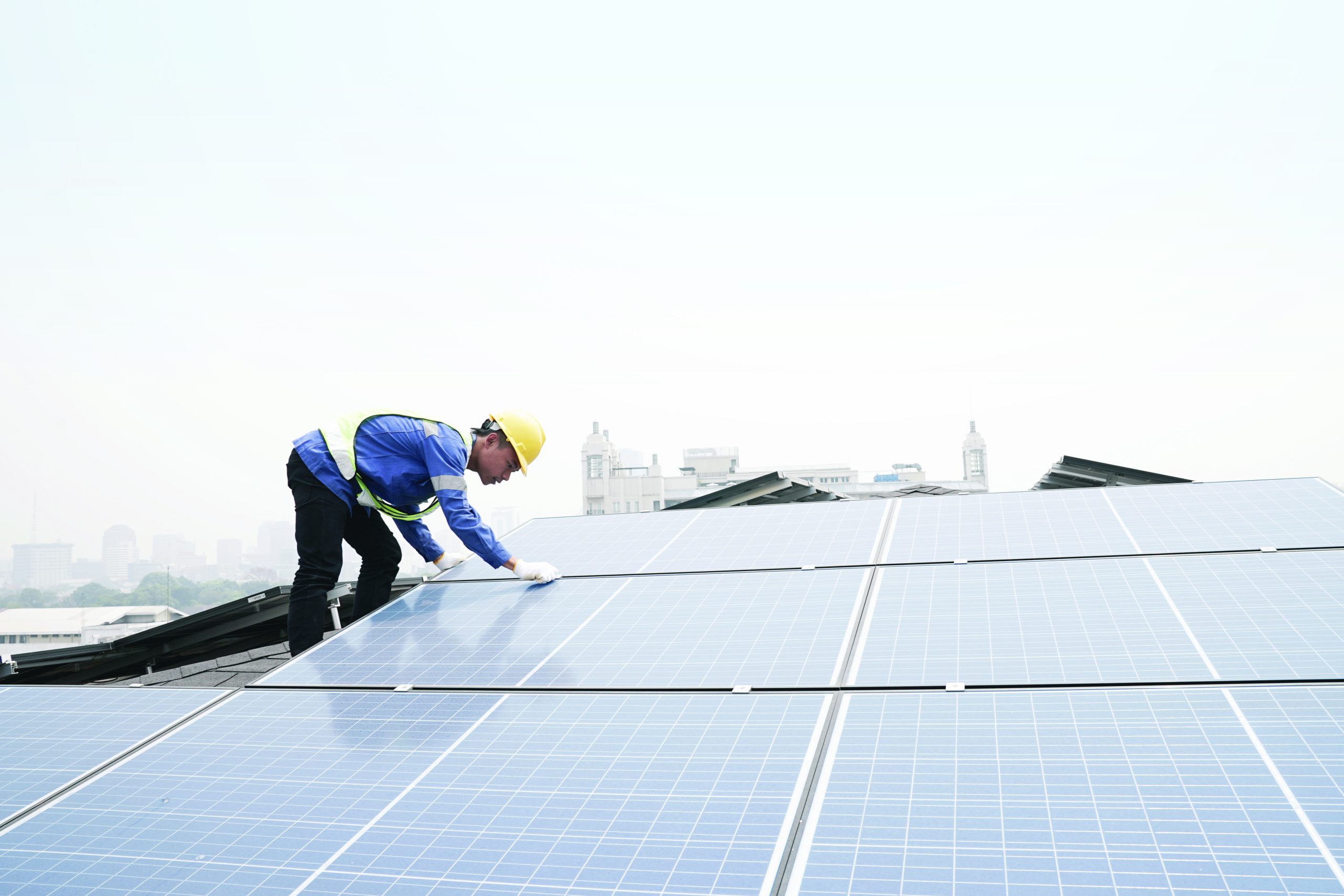
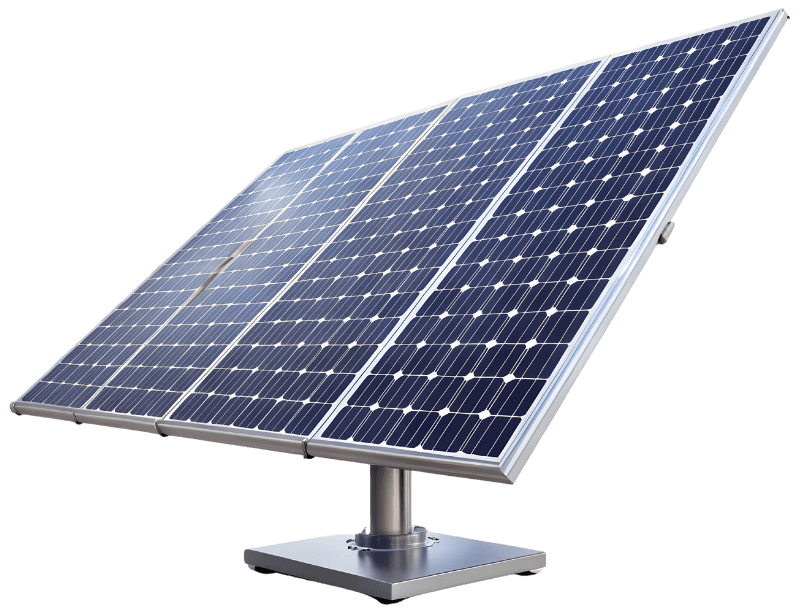
Solar panels often look simple from the outside – just a flat, dark-colored slab mounted on a roof or open ground. But behind that minimalist appearance, solar panel components work together as one interconnected system. Each component serves a different function, from capturing sunlight and converting it into electrical energy to protecting the module from weather and environmental conditions. Understanding solar panel components matters for anyone considering a Solar Power System (SPS) installation, whether for residential or industrial needs.
What Are the Components of a Solar Panel Module?
Solar panel components are the individual parts that make up a module, all interconnected and working as a single unit. Each solar panel component serves a different function – some capture solar radiation, some convert it into electrical energy, some protect the solar cells from damage, and others help maintain system stability during operation. It’s this combination of solar panel components that allows a module to generate electricity consistently and last for decades.
According to Indonesia’s Ministry of Energy and Mineral Resources (ESDM), a crystalline silicon photovoltaic module is a solar module made up of interconnected photovoltaic cells that are shielded from the surrounding environment. To guarantee quality and safety, the government requires photovoltaic modules sold in Indonesia to meet the Indonesian National Standard (SNI), which is based on the international IEC standard. This shows that every solar panel component is designed and tested to meet quality standards before being used commercially.
The Solar Cell as the Main Solar Panel Component
The solar cell is the main solar panel component responsible for converting sunlight into electrical energy through the photoelectric effect. The material used is generally crystalline silicon, either monocrystalline or polycrystalline, each with different efficiency characteristics depending on needs and budget.
When photons from sunlight are absorbed by the silicon semiconductor material, electrons are set in motion, generating direct current (DC) electricity. The solar cells are then arranged and connected in series or parallel within a single module to produce the required voltage and current. Since it serves as the core of the system, solar cell quality is one of the most decisive factors in the overall performance of the solar panel components.
Protective Glass as a Solar Panel Component
One of the solar panel components located at the very top is the protective glass. Solar panel modules generally use tempered glass with high transparency so that sunlight can pass through optimally to the solar cells.
The protective glass doesn’t just shield the solar cells from dust, rainwater, dew, and light impacts – it also helps protect the module from long-term weather exposure. That’s why the glass used in solar panel components is stronger than ordinary glass, allowing the module to maintain its performance for years.
Encapsulant as the Protective Layer of Solar Panel Components
The encapsulant is one of the solar panel components positioned between the protective glass and the solar cells. This layer is typically made of Ethylene Vinyl Acetate (EVA), which bonds all parts of the module together while protecting the solar cells from moisture, vibration, and dirt infiltration.
During production, the encapsulant is applied through a high-temperature lamination process so that all the solar panel components fuse into a single sturdy structure. Encapsulant quality greatly affects a module’s lifespan, since a poor-quality layer risks delamination – the separation of panel layers caused by prolonged exposure to heat and moisture.
Backsheet as the Protective Layer for the Back of the Solar Panel
The backsheet is a solar panel component located at the very back of the module. It’s typically made of a polymer such as PP, PET, or PVF, offering high resistance to moisture, UV rays, and weather changes.
The backsheet’s main function is to protect the module’s internal parts from environmental factors while providing electrical insulation to keep the system safe during operation. Optimal protection on the module boosts operating efficiency while extending the service life of every solar panel component inside it.
Aluminum Frame as the Structural Support of Solar Panel Components
The aluminum frame is a solar panel component that keeps the entire module structure sturdy. Frames are typically made of aluminum that has undergone an anodizing process, making them more resistant to corrosion and weather exposure.
Besides protecting the glass edges from impact, the frame also makes it easier to install solar panels on mounting structures, whether on a roof or open ground. Though lightweight, the frame is engineered to withstand wind pressure and various environmental loads, keeping all the solar panel components well protected.
Junction Box as the Electrical Connection Point
The junction box is a solar panel component located at the back of the module, serving as the cable connection point to the overall solar power system. Through this component, the electricity generated by the solar panel can be routed to the inverter and other devices in the system.
Inside the junction box, there’s typically a bypass diode that helps keep the electrical current flowing even when part of the solar cells is shaded or experiencing an issue. The junction box is also designed to be water- and dust-resistant, keeping the cable connections in the solar panel components safe from the risk of short circuits or damage caused by moisture.
Solar Panel Quality Is Determined by Every Component
Understanding solar panel components is an important step before choosing a module for your solar power system. Each solar panel component plays a complementary role – from the solar cell that generates electricity and the protective glass that shields the module’s surface, to the encapsulant that acts as both adhesive and protector, the backsheet that provides insulation at the back, the aluminum frame that serves as the supporting structure, and the junction box that connects the electrical flow. By understanding solar panel components and their functions, you can evaluate a module’s quality more thoroughly before making an investment.
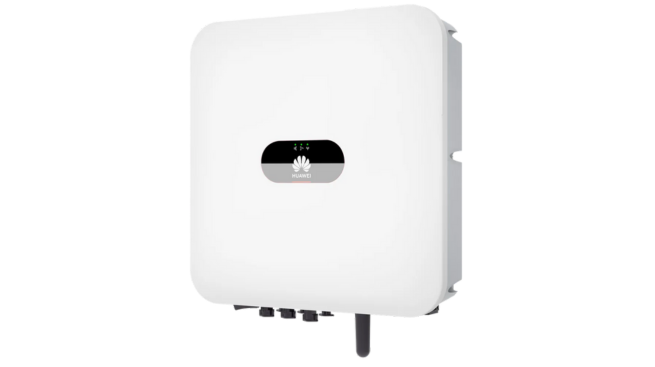
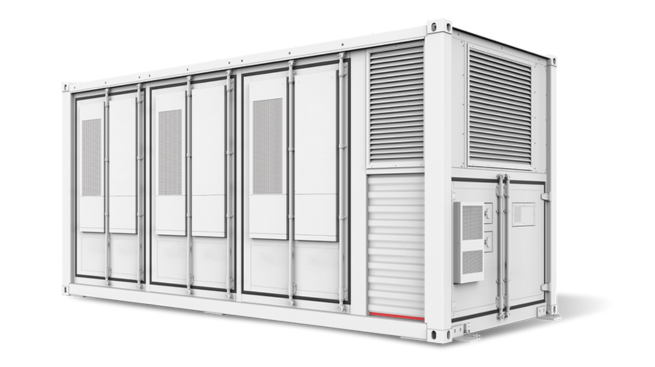
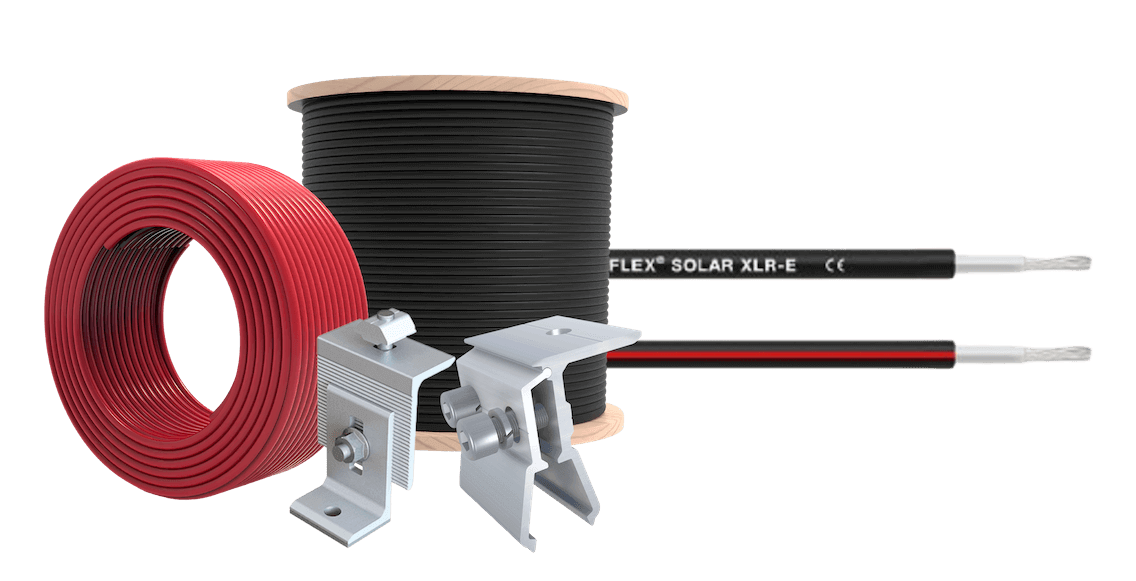
If you’re looking for solar panels with quality solar panel components as well as various other supporting components for your solar power system, Solar Depot offers a wide range of products for both residential and industrial needs.
The Solar Depot team is ready to help you find the solar energy solution that fits your needs, budget, and energy efficiency goals!