The Function of Batteries in Solar Panels and Can Solar Panels Work Without Batteries?
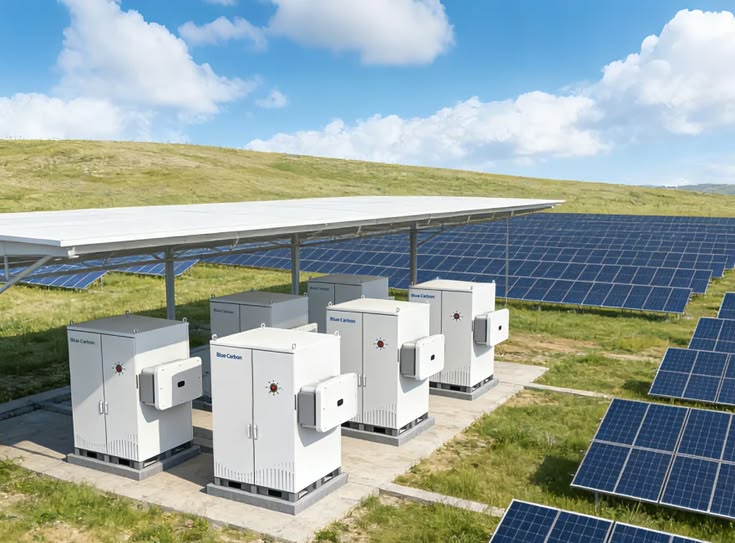
Many people new to solar power systems (PLTS) often ask: what exactly is the role of the battery in a solar panel system? Put simply, a battery in a solar panel system stores the electrical energy generated from sunlight, so that the electricity doesn’t simply go to waste when it isn’t being used at that very moment.
What Is a Battery in a Solar Panel System?
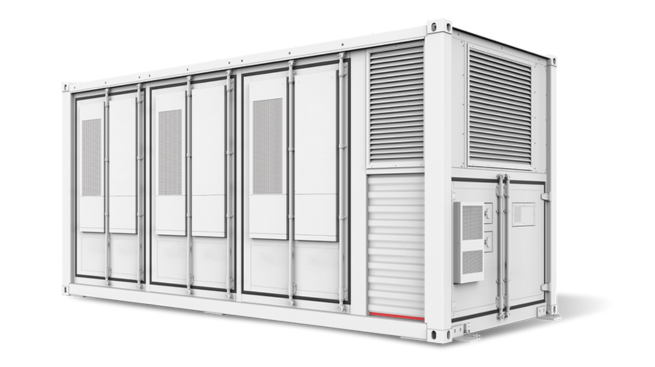
A battery is the electricity storage component in a solar power system, and it plays an important role especially when the energy produced by the solar panels isn’t used right away. In practice, the electricity solar panels generate doesn’t always line up with the user’s consumption pattern, so a component is needed to hold the excess energy temporarily, before it is eventually used as needed.
The Function of Batteries in Solar Panels: Storing Energy
The function of a battery in a solar panel system is to store the excess electricity generated by solar panels for later use. During the day, when sunlight intensity is high, solar panels generally produce a large amount of electricity, while the user’s electricity needs may not match that level of production. With a battery, this excess energy isn’t wasted; instead, it is stored safely to be used at times when electricity production from the solar panels declines.
The Function of Batteries at Night
Batteries make it possible to keep using solar power at night or whenever the panels aren’t producing electricity. As is well known, solar panels can only generate electricity when they receive sunlight, so once night falls, production stops automatically. Thanks to the energy stored in the battery throughout the day, electricity needs at night can still be met without relying entirely on other power sources.
The Function of Batteries on Cloudy Days
Besides playing an important role at night, batteries can also provide backup power when solar panel output drops because of cloudy weather. A sky covered in thick clouds reduces the intensity of sunlight reaching the panel surface, so the amount of electricity produced falls compared to clear conditions. In such situations, the battery helps keep the power supply stable by drawing on the energy reserves stored earlier.
Solar Panels Without Batteries
Despite their many benefits, solar panels can still be used without batteries, especially in on-grid systems that connect directly to the PLN (state electricity utility) grid. In this kind of system, the electricity generated by the panels can be used immediately or fed into the PLN grid, while any electricity demand the panels can’t meet can still be supplied from the PLN grid as a backup source. In other words, solar panels without batteries are not impossible, as long as the system is designed to remain connected to the national electricity grid.
When Are Batteries Needed?
Although not always mandatory, there are several situations where a battery is an important consideration. Batteries are generally suitable for backup power during outages, in areas with less stable PLN power supply, and in off-grid solar panel systems that are designed to operate independently without any connection to the PLN grid.
Conclusion
In short, the function of a battery in a solar panel system is to store electrical energy so it can be used when the solar panels aren’t producing electricity, whether because of nighttime, cloudy weather, or other conditions.
Considering the right battery to support your solar panel system? Visit the Solar Depot battery page to find battery options that fit the needs of your solar power system.