Complete Guide to Solar Panel Mounting: Types, Functions, and How to Choose the Best Sys
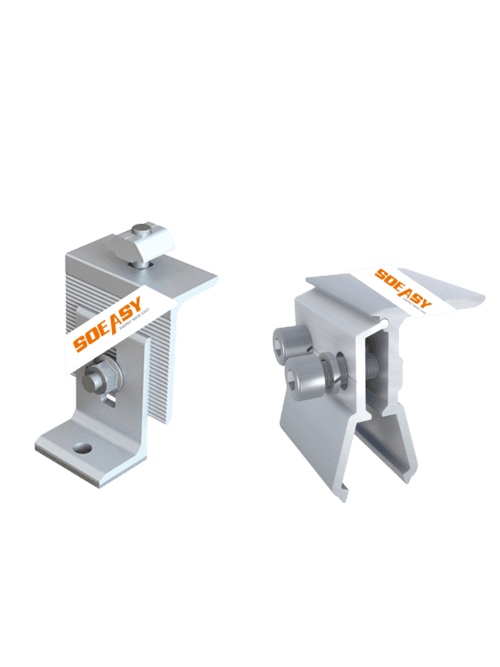
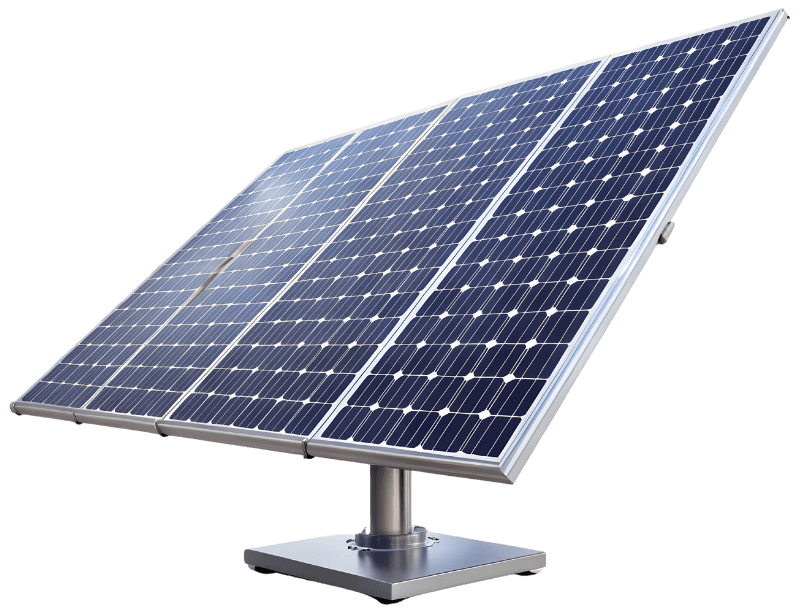
In a Solar Power System installation, solar panels are the main components responsible for generating energy. However, the system cannot operate optimally without the right supporting structure or brackets. Solar panel mounting plays an essential role in keeping solar panels securely installed, stable, and positioned correctly.
In addition to supporting the panels, a solar panel mounting system helps maintain the panels’ position according to the installation design while protecting them from risks caused by heat, rain, humidity, and strong winds.
Although solar panels can last for approximately 25 years or more, their overall durability also depends on the quality of the solar panel mounting system used.
Choosing the right solar panel mounting system should be done carefully, as it is designed to support long-term use. Solar Depot provides Balance of System (BoS) components to help ensure that solar power installations remain safe, neat, and reliable.
Main Functions of Solar Panel Mounting
1. Supporting and Securing the Load
The primary function of solar panel mounting is to support the panels and keep them stable in their installed position. A strong mounting structure helps ensure that the panels remain secure against both static loads and pressure from the surrounding environment.
2. Maintaining the Optimal Tilt Angle
Solar panel mounting also helps determine the position and tilt angle of the panels. Proper placement allows the panels to receive optimal sunlight exposure according to the system design.
3. Providing Ventilation and Airflow
A solar panel mounting system creates a gap between the panels and the mounting surface. This space allows air to circulate behind the panels, helping heat dissipate more effectively.
4. Withstanding Wind Loads and Weather Conditions
Outdoor installations must withstand various weather conditions. Therefore, solar panel mounting must be designed to support structural resistance against wind loads and other environmental conditions. The mounting structure should also help maintain the building’s durability against weather exposure and humidity.
Types of Solar Panel Mounting Systems
1. Rooftop Mounting
Rooftop mounting is the most commonly used type of solar panel mounting for residential properties, commercial buildings, and industrial facilities. The system can be adapted to different roof types, including tile roofs, metal or spandek roofs, and concrete roofs.
2. Ground Mounting
Ground mounting is used to install solar panels on the ground. This type of solar panel mounting system is suitable for large-scale projects with sufficient available land.
3. Pole Mounting
Pole mounting uses a pole as the supporting structure for solar panels. This system is often used in remote locations, including applications such as solar-powered street lighting.
4. Carport or Canopy Mounting
This type of solar panel mounting utilizes parking structures or canopies as installation locations for solar panels. In addition to generating energy, the area can continue to serve as a shelter for vehicles.
Important Factors When Choosing Solar Panel Mounting
1. Corrosion-Resistant Materials
Choose a solar panel mounting system made from materials suitable for outdoor use, such as aluminum alloy or steel with corrosion protection.
2. Ease of Installation
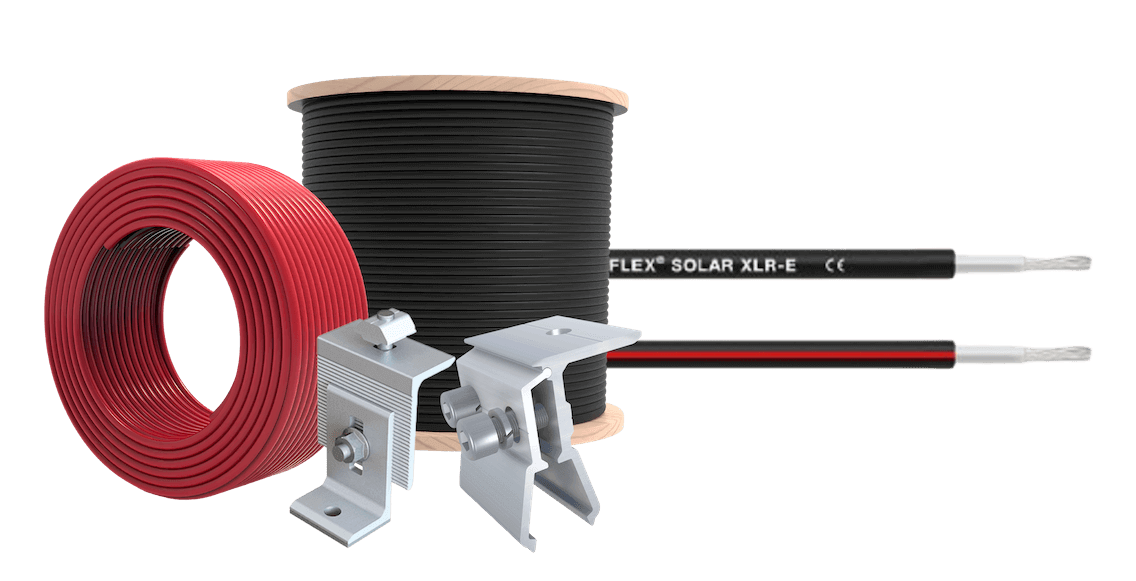
Modular systems with components such as rails, mid clamps, and end clamps can help make the installation process more precise and efficient.
3. Roof Compatibility
Each solar panel mounting system should be compatible with the type of mounting structure to avoid damaging the roof or increasing the risk of leaks.
4. Durability and Technical Specifications
Make sure the solar panel mounting system meets the requirements of your project, including resistance to wind loads, rain, snow, and other environmental conditions.
For example, SoEasy mounting products available at Solar Depot use AL6005-T5 and SUS304 materials and are designed to withstand wind loads of up to 45 m/s. The system is also designed to accommodate various panel orientations and tilt angles.
Risks of Using Improvised Solar Panel Mounting Structures
Using a solar panel mounting system that is assembled without proper standards and calculations can increase various risks in a solar power installation. Some of the key risks include:
1. Potential Corrosion and Rust
Materials without adequate corrosion protection may develop rust more quickly due to exposure to rain, heat, and humidity. Over time, this condition can gradually reduce the structural strength of the solar panel mounting system.
2. Risk of Roof Leaks
Improper installation techniques can potentially damage parts of the roof or create gaps around mounting points. Without a suitable mounting system, the risk of leaks may increase, particularly during heavy rain.
3. Risk of Solar Panel Damage
Loose clamps or fasteners can make solar panels less stable. During strong winds, this condition may increase the risk of panels shifting, cracking, or even becoming detached from the solar panel mounting system.
Conclusion
Choosing the right solar panel mounting system is not only about supporting solar panels. It also plays an important role in ensuring the safety, stability, and long-term durability of the entire system. By selecting solar panel mounting that is suitable for the roof type, environmental conditions, and project requirements, a solar power installation can have a safer and more reliable structure.
Looking for high-quality solar panel mounting for residential, commercial, or industrial projects? Find solar power components and Balance of System solutions that match your project requirements with Solar Depot. Our team is ready to help recommend the right solar panel mounting system—precise, reliable, and built for long-term performance.