How Solar Panels Work: A Simple Breakdown from Sunlight to Electricity
How Solar Panels Work: A Simple Breakdown from Sunlight to Electricity
Solar energy is powering more homes and businesses than ever. Beyond cutting reliance on conventional electricity, solar panels stand out as one of the most widely adopted renewable technologies — simply because they run on a resource that’s freely available: sunlight.
But how exactly does sunlight become usable electricity? Understanding how solar panels work doesn’t just satisfy curiosity — it helps you choose the right energy solution for your needs.
In this article, we’ll break down how solar panels work, from the basic science to the factors that shape their performance.
What’s the Basic Principle Behind Solar Panels?
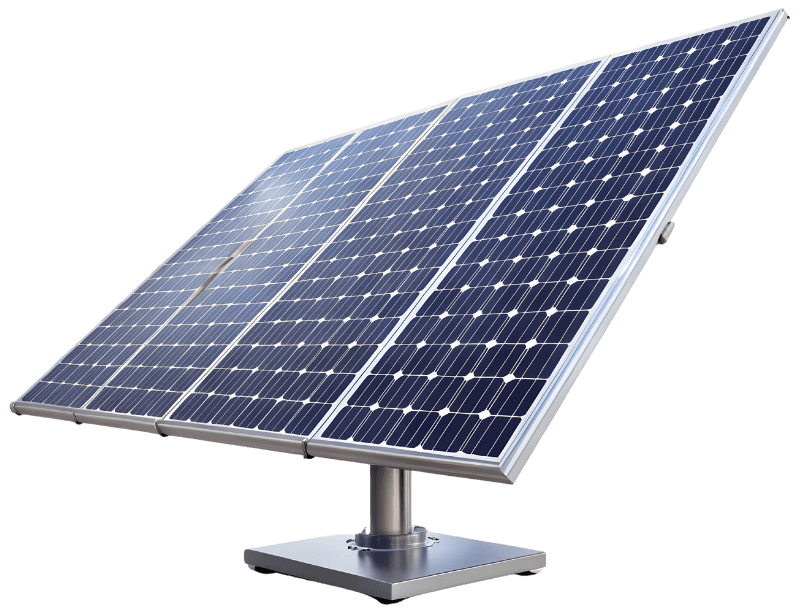
At the heart of every solar panel is the photovoltaic effect — the process of converting sunlight directly into electricity. Think of a solar cell’s surface as a “net” that catches particles of light called photons. When photons hit the material inside the cell (usually silicon), their energy knocks electrons loose and sets them in motion.
This electron movement isn’t random. A solar cell is built from two layers of silicon with different electrical properties, creating an internal electric field that channels the flow of electrons in one direction. That steady, directed flow produces DC (Direct Current) — the same type of current used in batteries.
According to the National Renewable Energy Laboratory (NREL), one of the biggest advantages of the photovoltaic effect is that it generates electricity straight from sunlight, with no fuel and no combustion involved. And since there are no moving mechanical parts, solar panels run near-silently and require minimal upkeep.
How Does Sunlight Turn Into Electricity?
The process starts the moment photons from sunlight hit the surface of a solar cell. That energy is absorbed by a semiconductor material like silicon, setting electrons in motion and generating electricity as DC (Direct Current).
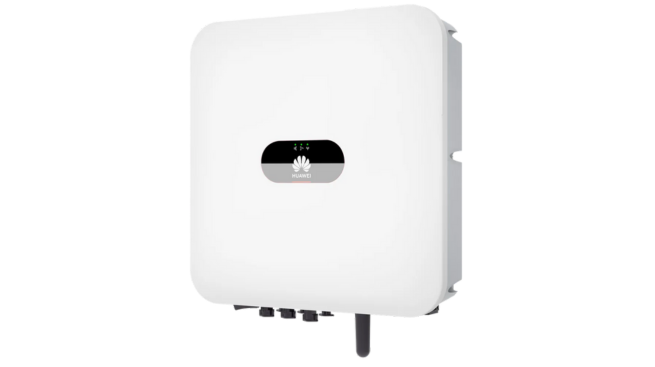
That DC power then flows to an inverter, which converts it into AC (Alternating Current) — matched to the voltage and frequency your home or building actually runs on. Once converted, that electricity is ready to power everyday needs: lighting, air conditioning, and all your electronic devices.
Through this whole sequence, sunlight becomes a clean, efficient, and sustainable source of power — as long as there’s enough sunlight to keep the cycle going.
The Solar Panel Process at a Glance
Before electricity can power your appliances, sunlight goes through a few key stages:
Sunlight → Solar Cell → Electrons in Motion → DC Electricity → Inverter → AC Electricity → Home Appliances
This flow sums up the entire process in one simple sequence — from sunlight hitting the cell, to DC current forming, to the final conversion into ready-to-use AC power. All of it happens automatically, in a matter of moments.
As long as there’s enough sunlight, solar panels keep generating electricity consistently — and they switch on instantly the moment light hits them, with zero startup delay.
What Affects How Much Electricity Solar Panels Produce?
Even with the same underlying process, output can vary from system to system. Here’s what makes the difference:
- Sunlight intensity
The stronger the sunlight, the more electricity a panel can generate. Per NREL, solar output depends directly on the amount of solar irradiance hitting the panel’s surface.
- Installation angle and direction
Where and how a panel is positioned affects how much sunlight it captures. The right tilt and orientation boost energy production throughout the day.
- Panel quality
Not all solar panels are created equal. Higher-efficiency panels generate more power from the same surface area.
- Panel surface cleanliness
Dust, leaves, or debris blocking the panel’s surface reduce the sunlight it can absorb. Regular cleaning keeps performance running at its best.
Do Solar Panels Still Work on Cloudy Days?
Yes — solar panels can still generate electricity on cloudy days, as long as some sunlight makes it through the clouds. Solar panels run on light, not heat, so cells keep absorbing radiation even when intensity drops.
That said, output on cloudy days is typically lower than on clear days, since less light reaches the panel. How much lower depends on cloud thickness, panel type, and how long the cloudy conditions last.
That’s why solar system design should always factor in average local weather conditions — so panel capacity can reliably meet energy needs, rain or shine.
Maximize Your Energy Efficiency with Solar Depot
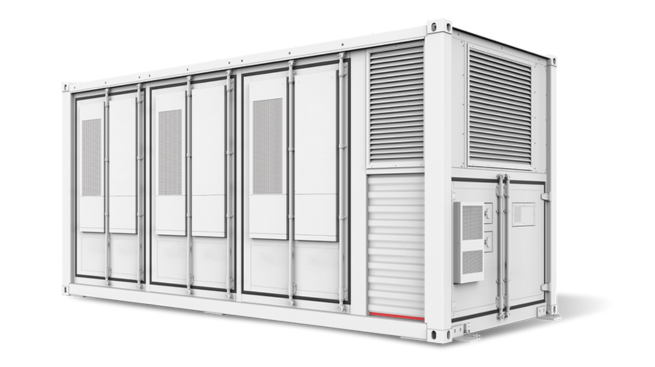
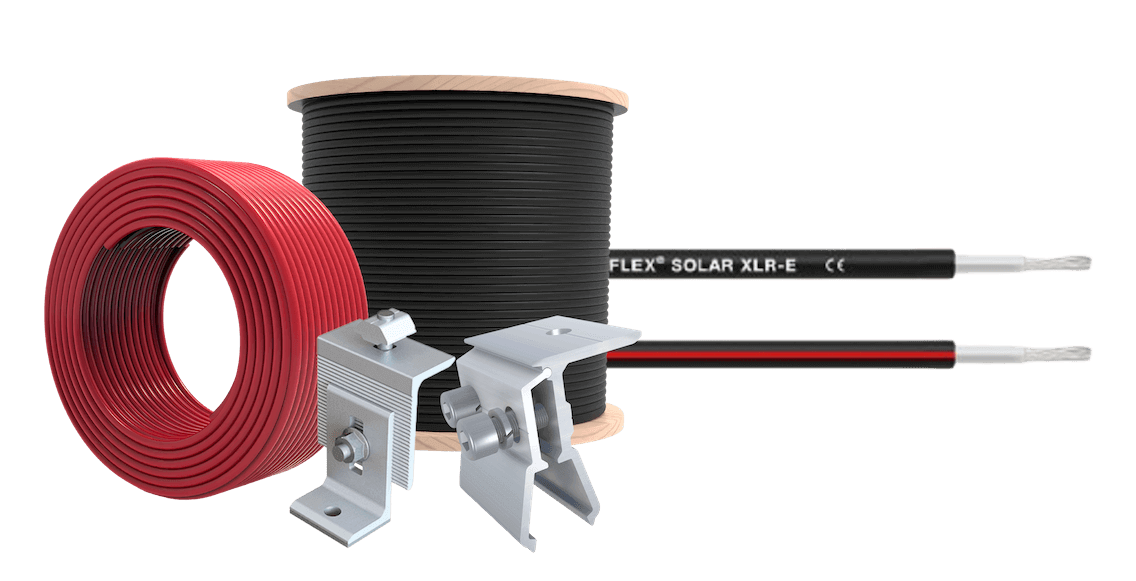
Every energy need is different. That’s why choosing the right panel capacity, inverter, and system configuration matters — it’s what makes a solar solution truly work for you, long-term.
Solar Depot delivers solar solutions tailored for homes, businesses, and commercial projects — backed by quality products and professional service to help you build an efficient, reliable solar energy system.