Complete Guide to Rooftop Solar PV Installation for Homes and Businesses
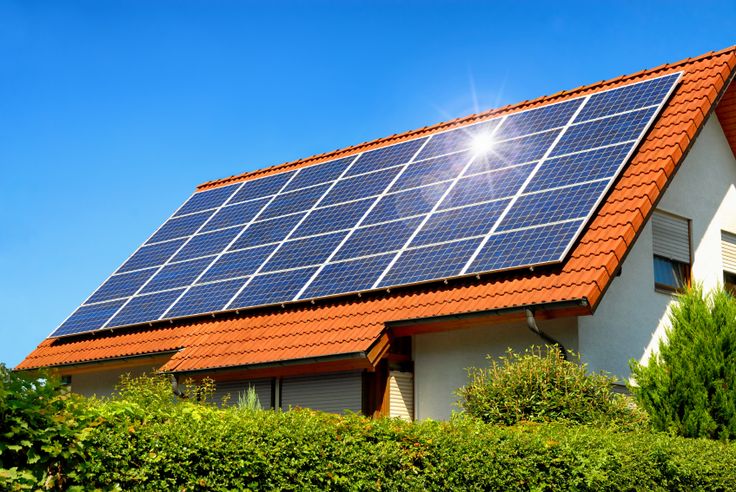
The use of solar energy is increasingly becoming an option for households and businesses looking to optimize their energy consumption. One of the most widely adopted solutions is rooftop solar PV, a solar power generation system that utilizes building rooftops as the installation area for solar panels.
Previously underutilized rooftop areas can be transformed into productive energy sources to help meet electricity needs. With proper planning, rooftop solar PV can improve energy efficiency while supporting the use of more environmentally friendly energy sources. However, to ensure optimal system performance, the rooftop solar PV installation process must be carried out with proper planning and in accordance with technical and safety standards.
What Is Rooftop Solar PV?
Rooftop solar PV is a solar power generation system that uses solar panels or photovoltaic modules installed on the roof of a building. The electricity generated is then converted and used to support the building’s energy needs.
Rooftops are an ideal installation location because they allow building owners to utilize existing space without requiring additional land. In addition, rooftop areas generally have good access to sunlight, although shading conditions and roof orientation still need to be analyzed beforehand.
Rooftop solar PV systems can be installed on various types of buildings, including residential homes, shophouses, office buildings, commercial facilities, and factories. Therefore, the system capacity and design need to be adjusted to the characteristics and energy requirements of each building.
Key Benefits of Rooftop Solar PV Installation
1. Improve Electricity Cost Efficiency
Rooftop solar PV generates electricity from solar energy to help meet a building’s electricity needs. By designing the system according to the building’s energy consumption patterns, reliance on electricity from the main grid can be reduced, helping improve overall electricity cost efficiency.
2. Maximize Available Space
One of the key advantages of rooftop solar PV is that it does not require additional land. Previously unused rooftop areas can be utilized for solar panel installation without interfering with the building’s primary activities.
3. Help Reduce Building Heat
Solar panels installed above a rooftop can act as an additional layer that reduces direct solar exposure on the roof surface. This can help reduce the amount of heat entering the building, particularly in areas exposed to sunlight throughout the day.
4. Support Long-Term Energy Investment
Rooftop solar PV installation can serve as a long-term energy investment because the system can generate electricity throughout its operational lifespan. With quality components and proper maintenance, rooftop solar PV can help maintain energy efficiency over the long term.
Proper Rooftop Solar PV Installation Process
1. Site Survey and Analysis
The first step in rooftop solar PV installation is conducting a site survey to assess the roof structure, orientation, slope, available area, and potential shading from trees, buildings, or other objects. This analysis is important for determining the system’s potential energy production.
2. System Capacity Design
The capacity of a rooftop solar PV system should be designed based on the building’s electricity requirements and consumption patterns. The number of solar panels, system configuration, and inverter capacity should be carefully planned to match the building’s energy needs and site conditions.
3. Selecting Quality Components
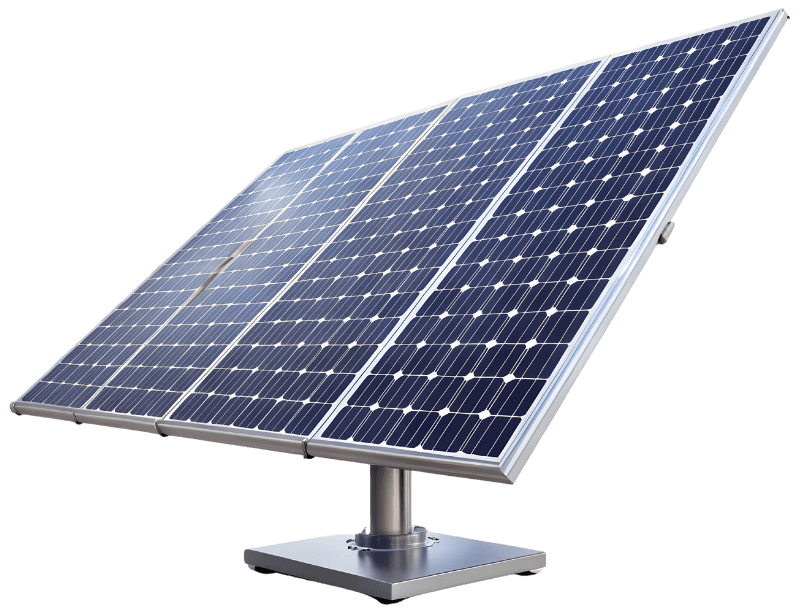
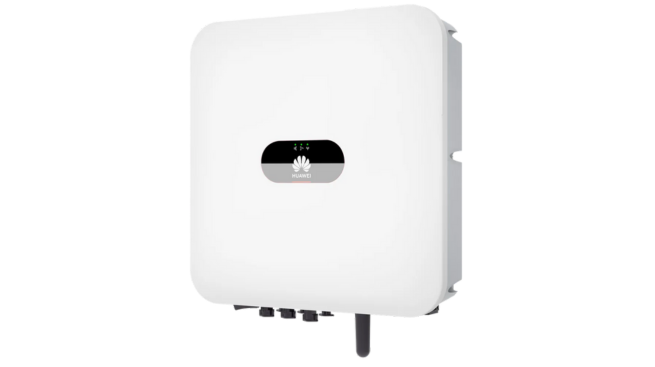
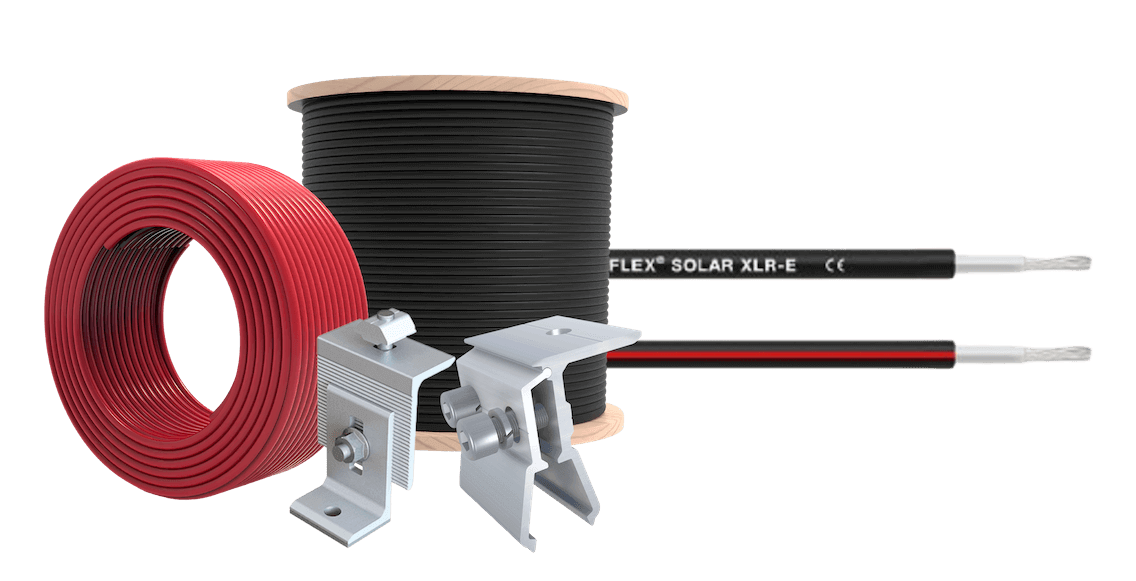
Key components of a rooftop solar PV system include solar panels, inverters, cables, protection systems, and mounting systems. Each component should be selected based on compatibility, safety, quality, and the specific requirements of the project.
4. Installation Process
The next step involves installing the mounting system, solar panels, cable routes, grounding, and inverter. The rooftop solar PV installation process should be carried out properly and in accordance with safety standards to ensure safe and reliable system operation.
5. Testing and Commissioning
Once the installation is complete, the entire system should be inspected and tested, including electrical connections, grounding, protection systems, and operational performance. This stage ensures that the rooftop solar PV system is ready to operate safely.
Things to Consider Before Installing Rooftop Solar PV
- Roof structural strength should be a primary consideration. The roof must be capable of safely supporting the weight of the solar panels and mounting system.
- Roof orientation and tilt angle can affect the amount of solar radiation received by the modules. Potential shading should also be minimized to prevent disruptions to energy production.
- Warranty and after-sales support are also important. Choosing the right products and component suppliers can help maintain system reliability over the long term.
Optimize Your Rooftop with Quality Solar PV Solutions
Rooftop solar PV provides an effective way to transform unused rooftop space into a productive energy source. With proper planning, quality components, and professional rooftop solar PV installation, the system can help support the energy needs of both residential and commercial buildings more efficiently.
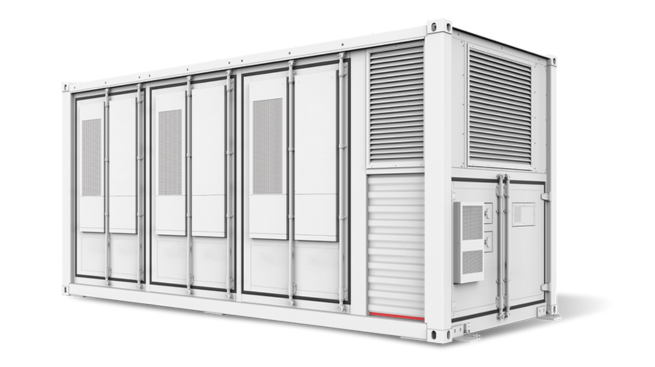
Solar Depot is a supplier and distributor of solar PV components for residential, commercial, and industrial applications. We provide a comprehensive product ecosystem, including solar panels, inverters, batteries, cables, and mounting systems to support a wide range of solar PV projects.
For your rooftop solar PV needs, consult with Solar Depot to discuss your system and project requirements and find the right solar panels and solar PV components for your installation.