Solar PV Systems for Agricultural and Fish Pond Water Pumps in Remote Areas
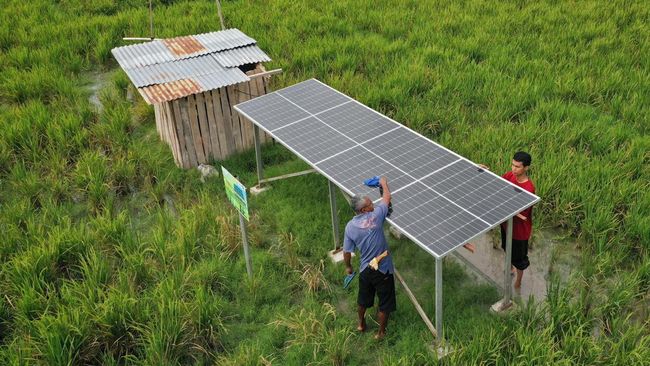
Water is the lifeblood of farming and aquaculture. Rice fields need regular irrigation for crops to grow well, while fish and shrimp ponds need water circulation and refilling to keep the farming environment healthy. Without a reliable water supply, yields can drop sharply, especially in the dry season.
The challenge is that many farms and ponds sit far from the PLN grid. For years, farmers and fish farmers have relied on diesel or petrol pumps whose running costs keep piling up. This is where solar panels for water pumps come in as an increasingly relevant alternative, drawing energy straight from the sun without depending on fuel or the grid.
The Role of Solar PV in Water Pumping Systems
In a solar pumping system, the panels convert sunlight into DC electricity. That power is then fed to the pump, either directly to a DC pump through a controller, or through a solar pump inverter that converts it to AC to drive an AC pump.
Broadly speaking, there are two approaches to choose from. A direct-drive pumping system runs the pump only while the sun is shining, with water stored in a tank or reservoir, or sent straight to the field. This setup is simpler and more economical. A battery-based system, on the other hand, stores some of the energy so the pump can keep running outside sunlight hours, at the cost of higher investment and maintenance.
For most irrigation needs, solar PV is a natural fit, because water demand peaks in the dry season, exactly when sunlight is strongest. This means energy production and pumping needs move in step with each other.
Components of a Solar Water Pumping System
A reliable solar water pumping system generally consists of the following components:
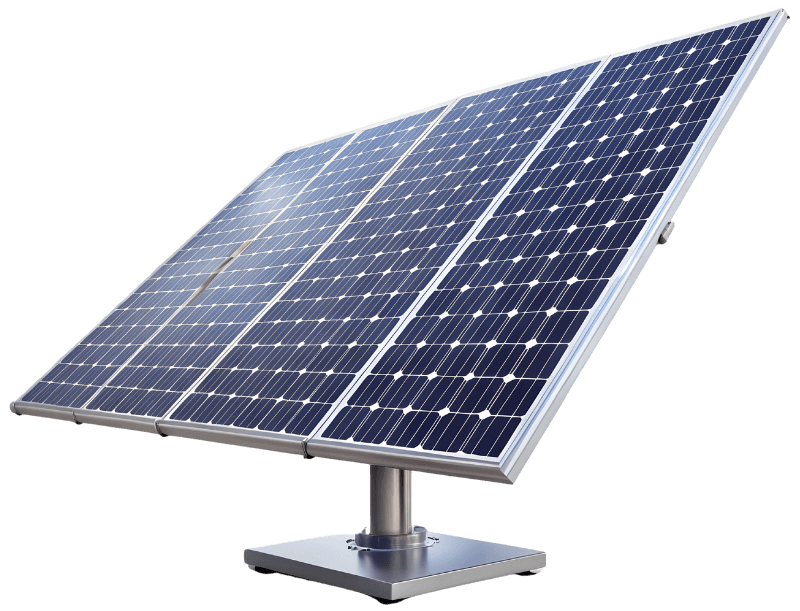
- Solar panels. The panels are the main energy source. Their number and capacity are matched to the pump’s power and the desired pumping time.
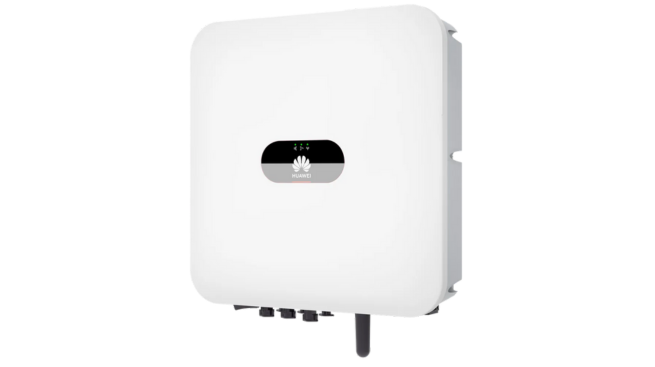
- Inverter or solar pump inverter. This device manages power from the panels to the pump. A solar pump inverter comes with MPPT and motor speed control, so the pump keeps working even as light levels change.
- Water pump. This can be a submersible pump for deep wells or a surface pump for rivers, irrigation channels, or ponds.
- Controller and protection system. This includes water level sensors, voltage protection, DC circuit breakers, grounding, and lightning protection to keep the system safe.
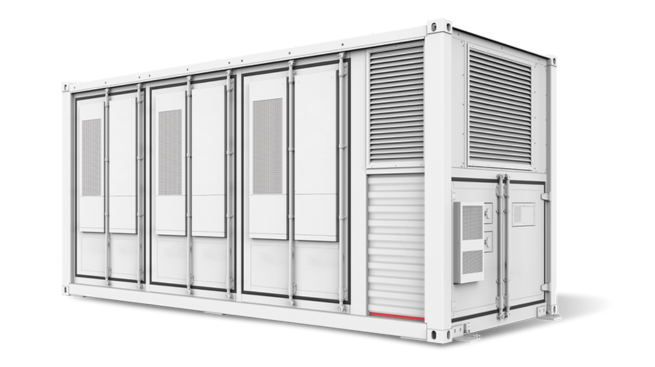
- Battery. Batteries are optional and only needed if the pump must run at night or during long stretches of cloudy weather.
Solar PV Layout for Farms and Fish Ponds
The workflow of a solar water pumping system can be summed up as follows:
The solar panels generate energy. As the sun rises, the panels start producing DC power. Output builds toward midday and tapers off in the afternoon.
The energy runs the pump. Power from the panels flows through the solar pump inverter or controller to drive the pump. Pump speed adjusts to the power available from the panels.
Water is distributed to the fields or ponds. Water can go straight into irrigation channels and rice paddies, or be stored first in a tank or reservoir. For fish ponds, the water is used to fill and exchange pond water.
Batteries as an option for after-sunset needs. If pumping needs to continue into the night, surplus daytime energy can be stored in batteries. A more cost-effective alternative is to store water in a tank, since storing water is usually cheaper than storing electricity.
Benefits of Solar PV for Remote Areas
For areas far from the power grid, solar PV offers a self-sufficient energy and electricity solution for agriculture with a range of benefits:
- Less reliance on the power grid. The system can run off-grid, with no need for a costly and time-consuming PLN grid extension.
- Lower fuel use for pumping. Farmers no longer need to buy and haul diesel or petrol to the site, which can cut daily operating costs significantly.
- More efficient water availability. Pumping can run on a daily schedule without depending on fuel supplies or an operator.
- Use of renewable energy. Solar energy is clean, makes no noise or smoke, and carries no risk of fuel spills contaminating land and water.
How to Size Your Solar PV System and Pump
Getting the capacity right is the key to a successful solar panel system for rice field water pumps or fish ponds. Here are the factors to calculate:
- Flow rate and pumping time. Work out the volume of water needed per day (m³/day) based on land area, crop or species type, and how often you irrigate.
- Pump power. Pump power depends on flow rate and total head, meaning the lift height plus friction losses in the pipes. The deeper the water source or the farther it has to travel, the more power you’ll need.
- Solar intensity at the site. Most of Indonesia gets around 4–5 effective sun hours per day, which determines how long the pump can run at its best.
- Panel and inverter capacity. Panel capacity is usually designed at around 1.3–1.5 times the pump’s power so the pump still runs well in the morning and late afternoon. The inverter is matched to the motor power and panel voltage.
- Battery and storage needs. Work out whether nighttime needs are better met with batteries or simply with a large enough water tank.
Example. A 1.5 kW (about 2 HP) pump for rice field irrigation can typically be paired with around 2–2.2 kWp of panels, for example four 550 Wp panels, along with a suitable solar pump inverter. The resulting flow rate will depend on the total head and pump specifications, so the final calculation should refer to the manufacturer’s pump performance curve.
Installation Considerations
Field conditions on farms and fish ponds come with their own challenges. Keep the following in mind to make sure the system lasts and performs well:
- Site conditions and panel installation area. Choose a spot that’s free of shade, safe from standing water or flooding, and easy to reach for maintenance. The panel frame must be sturdy enough to handle strong winds in open areas.
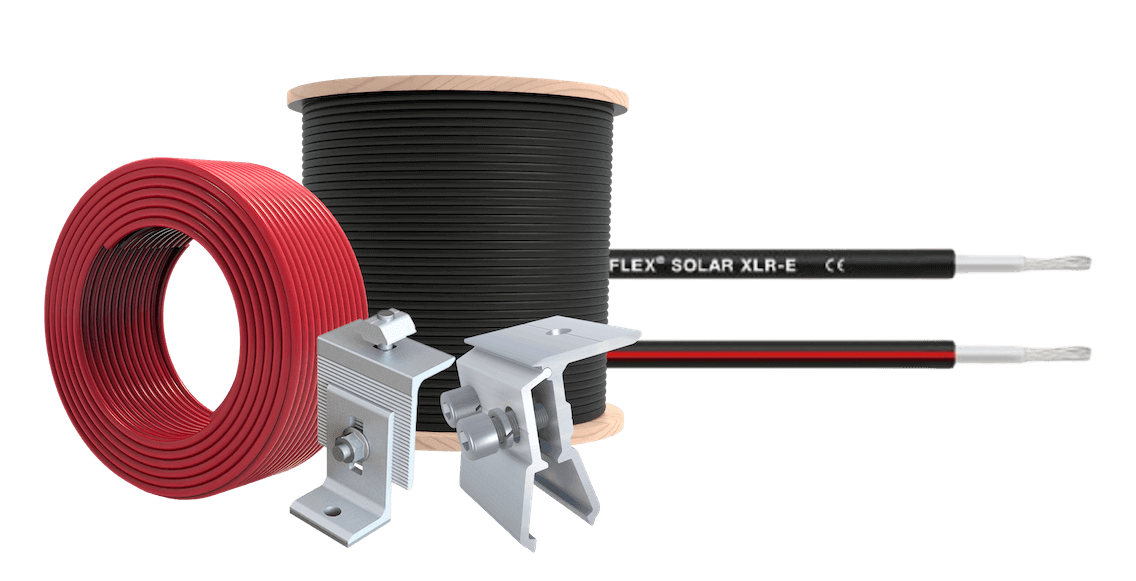
- Protection from water, dust, and the surrounding environment. Use an enclosure with an adequate IP rating, UV-resistant cables, and aluminum or galvanized steel frames, especially around ponds where conditions are humid and salty.
- Maintenance of panels, pumps, and electrical components. Clean dust, mud, and bird droppings off the panels regularly, and check the pump, cables, and connections to prevent damage.
- Regular system performance monitoring. Keep track of water flow, pump running hours, and inverter status. Many solar pump inverters now offer remote monitoring, which makes it much easier to oversee systems in remote locations.
FAQ: Solar PV for Water Pumps
Can a water pump run directly on solar panels?
Yes. A DC pump can be connected to the panels through a controller, while an AC pump can be driven directly by a solar pump inverter without batteries. The pump will run as long as the panels receive enough sunlight.
Does a solar water pumping system need batteries?
Not always. For daytime irrigation, a direct-drive system without batteries is enough and more economical. Batteries are only needed if the pump must run at night or requires a steady supply around the clock.
Can a solar PV system still be used in the rainy season?
Yes, although pumping output will drop on cloudy days. That said, irrigation needs are usually lower in the rainy season as well, since rainfall covers part of the water demand.
How many panels does a water pump need?
The number of panels depends on the pump’s power, the inverter’s operating voltage, and sunlight conditions at the site. As a general rule, total panel capacity is designed at around 1.3–1.5 times the pump’s power, then adjusted to the inverter specifications.
Is a solar PV system suitable for fish ponds far from the PLN grid?
Absolutely. Off-grid solar PV gives coastal or remote ponds their own independent power source for water pumps. Just make sure the components can withstand humid, salty conditions.
Conclusion
Solar PV can be a reliable energy and electricity solution for agriculture for rice fields and fish ponds in areas with limited access to power. By using solar panels for water pumps, farmers and fish farmers can reduce their reliance on fuel, cut operating costs, and keep water available more consistently. The key lies in sizing the panels, inverter, and pump correctly, so the system can deliver pumping energy efficiently and sustainably.
Looking to build a solar water pumping system for your farm or fish pond? Solar Depot is ready to help, from water demand analysis and capacity sizing to choosing the right panels, solar pump inverter, and pump, all the way to an installation that fits your site conditions.