Solar Energy: Advantages, Benefits and Potential as Renewable Energy Source
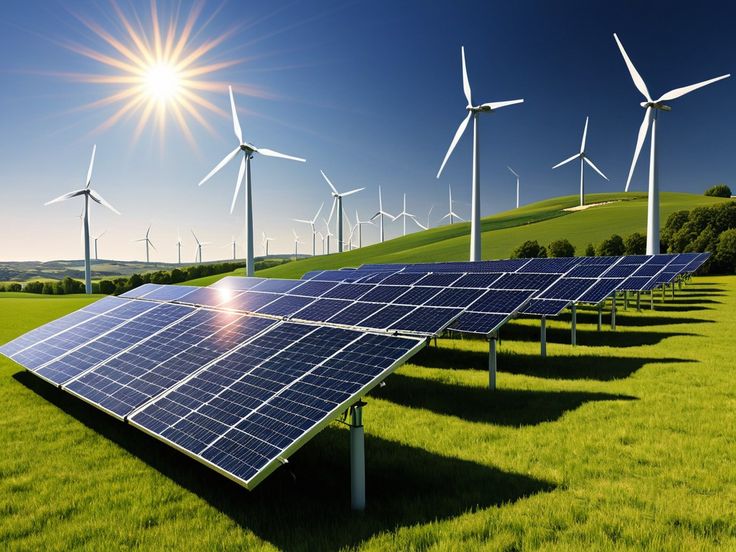
Energy demand continues to increase alongside the growth of households, businesses, and industries. Amid this growing demand, solar energy has emerged as one of the renewable energy sources with significant potential. As a tropical country, Indonesia receives sunlight throughout the year, creating substantial opportunities to develop solar energy to support electricity needs across various sectors. Indonesia’s Ministry of Energy and Mineral Resources (ESDM) estimates that the country’s solar energy potential exceeds 3,200 GW.
1. What Is Solar Energy?
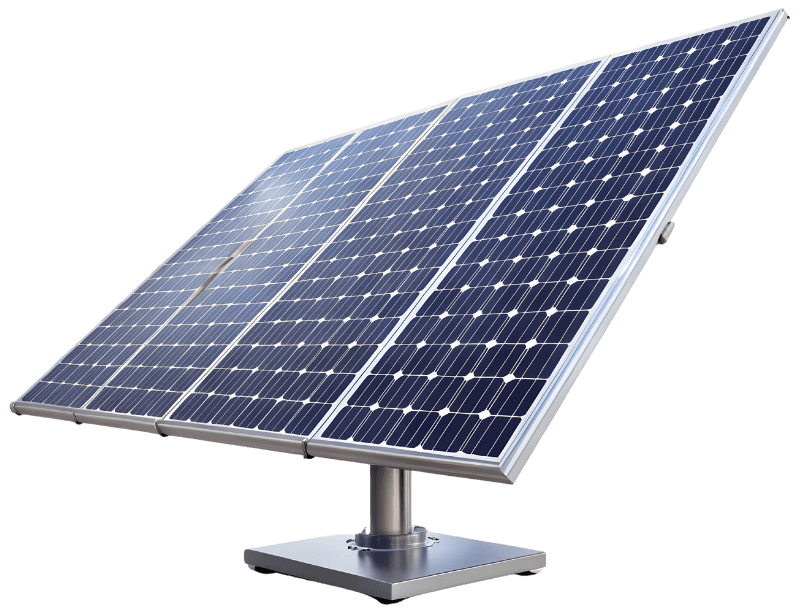
Solar energy is energy derived from solar radiation that can be utilized for various needs, including electricity generation. One of the most widely used technologies for harnessing solar energy is solar panels or photovoltaic (PV) technology.
Solar panels consist of solar cells that capture sunlight and convert it into electrical energy. Photovoltaic technology enables sunlight to be converted directly into electricity, which can then be used to meet energy needs.
2. How Does Solar Energy Work?
The utilization of solar energy through a solar power system (PLTS) involves several stages:
- Solar panels capture sunlight and generate electrical energy from the solar radiation they receive.
- Solar cells generate DC electricity through the photovoltaic process.
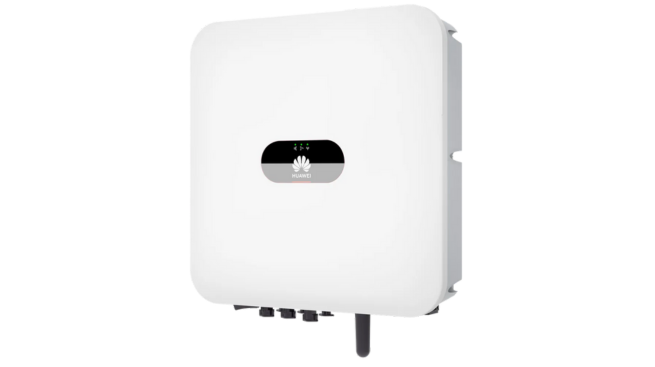
- Inverters convert DC electricity into AC electricity so it can be used by various electrical appliances.
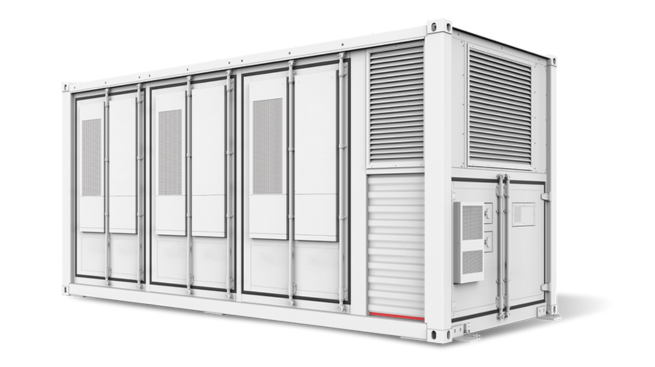
- Batteries store the electricity generated. In solar power systems equipped with batteries, some of the energy can be stored for use when solar panel production decreases, such as at night or when sunlight intensity is low.
- The electricity is used to meet energy needs, whether in homes, commercial buildings, or industrial facilities.
In certain systems, the electricity generated can also be stored in batteries so that it can be used when solar power production decreases.
3. Advantages of Solar Energy
There are several advantages of solar energy that make it increasingly considered as an energy source for the future.
- Renewable energy source. The sun is a natural energy source that is continuously available.
- Abundant availability in Indonesia. Indonesia’s geographical location as a tropical country provides significant opportunities for solar power development.
- Reduces dependence on fossil fuels. The utilization of solar energy can help increase the use of non-fossil energy sources.
- Can be used at various scales. Solar power systems can be implemented at different scales, from residential installations to large-scale power plants.
- Supports sustainable energy. One of the key advantages of solar energy is its potential to support the transition toward a cleaner energy system.
4. Benefits of Solar Energy
- Helps meet electricity needs.
Solar energy can be harnessed to generate electricity through solar panels, helping meet daily energy needs. - Potentially reduces electricity consumption from conventional sources.
The utilization of solar energy can serve as an alternative to reduce dependence on electricity generated from conventional energy sources. - Supports emissions reduction.
Solar energy does not produce direct emissions during electricity generation, so its use has the potential to help reduce emissions from the energy sector. - Can be applied to various needs.
Solar energy can be utilized for residential and commercial facilities as well as industrial-scale electricity needs. - Supports the transition to clean energy.
The use of solar energy helps increase the utilization of renewable energy and contributes to efforts toward a cleaner and more sustainable energy system.
5. Applications of Solar Energy Through Solar Power Systems
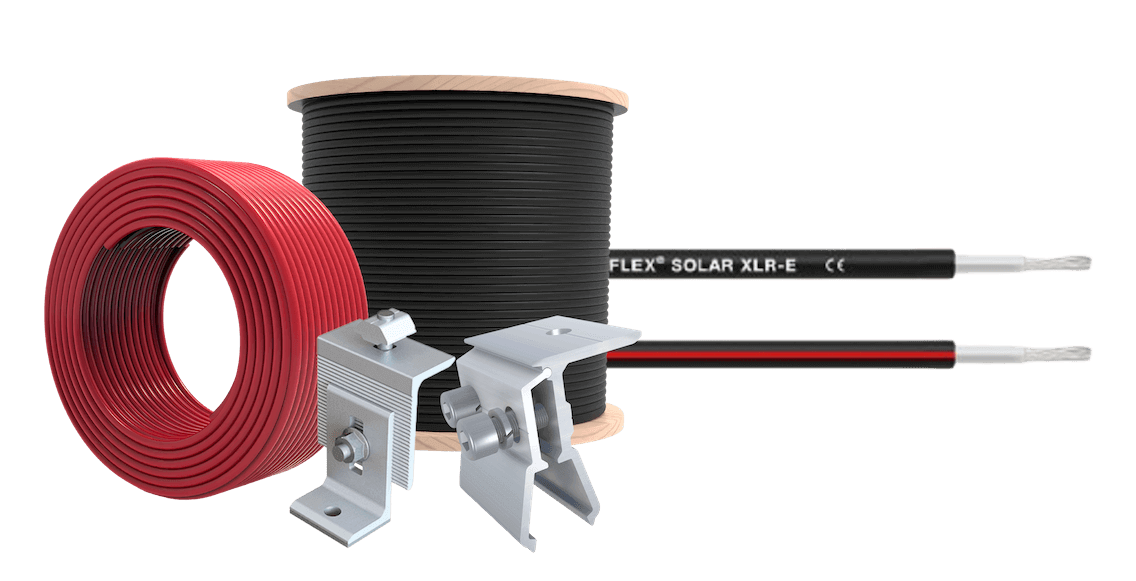
- Rooftop solar systems for homes and buildings.
Rooftop solar systems utilize available rooftop space to install solar panels that generate electricity for residential and building needs. - Solar power systems for commercial and industrial needs.
In the commercial and industrial sectors, solar power systems can help meet operational electricity needs by utilizing available areas, such as building rooftops or production facilities. - On-grid, off-grid, and hybrid solar power systems.
On-grid solar power systems are connected to the electricity grid, while off-grid systems can operate independently with the support of batteries. Meanwhile, hybrid systems combine solar power with other energy sources or energy storage systems according to specific needs.
Solar Depot provides solar power solutions that can be tailored to users’ needs, ranging from residential systems to commercial and industrial applications.
6. The Potential of Solar Energy in Indonesia
Indonesia has significant opportunities to develop solar energy due to its tropical location and abundant solar resources. The government is also currently promoting the accelerated development of solar power, including through the 100 GWp Solar Power Program, which was launched in 2026.
Nevertheless, the development of solar energy continues to face several challenges, including weather variations, installation site conditions, electricity grid availability, and the need for energy storage to maintain electricity availability when sunlight is unavailable.
7. Conclusion
Solar energy is a renewable energy source with significant potential to meet Indonesia’s electricity needs. The various advantages of solar energy, from its availability to its flexibility of application, make it an important option in the energy transition. Meanwhile, the benefits of solar energy can be seen through electricity generation, reduced dependence on fossil fuels, and support for a more sustainable energy system.
FAQ
What is solar energy?
Solar energy is energy derived from solar radiation that can be utilized for various purposes, including electricity generation.
Why is solar energy considered renewable energy?
Because its source, the sun, is naturally available and continuously replenished.
Can solar energy be used at night?
Yes, if the system is equipped with battery storage or connected to the electricity grid.
Is solar energy suitable for industrial needs?
Yes. Solar power systems can be developed at various scales, including to meet industrial electricity needs.
What factors affect the utilization of solar energy?
Solar intensity, site conditions, panel capacity, shading, inverter efficiency, and energy storage requirements are among the important factors.